| Grammar schools - Practical trainee |
Life on the ISS depends on their energy budget. In addition to small quantities of fuel being transported consuming, primarily supplies the sun all life support systems and aggregates.
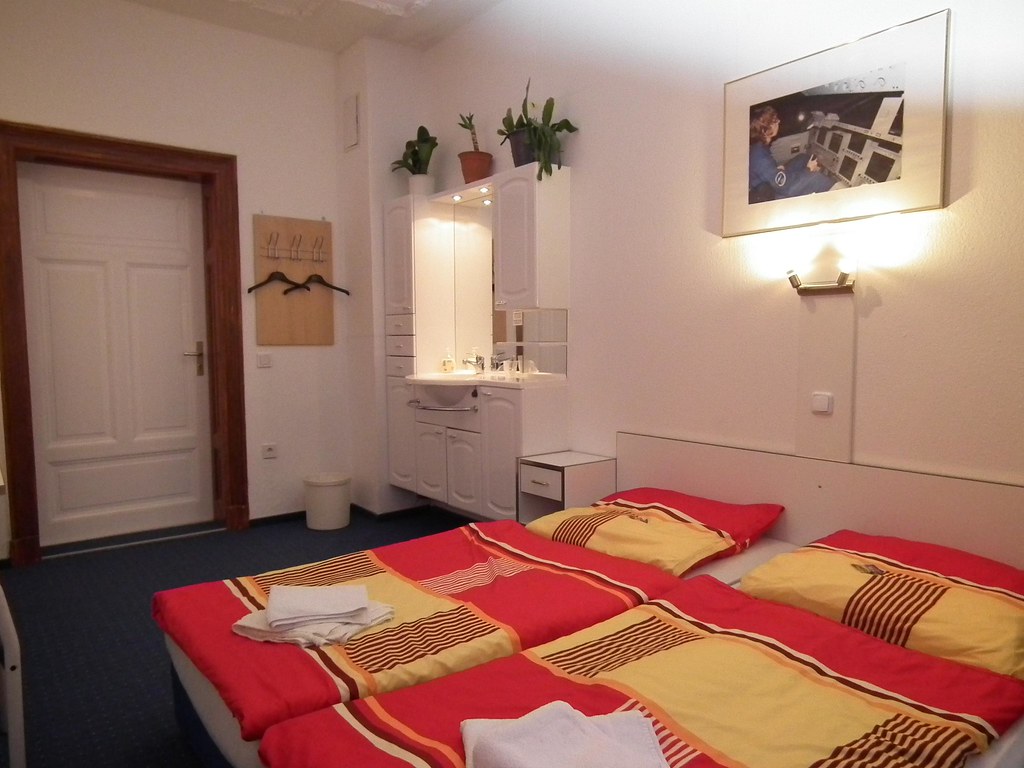
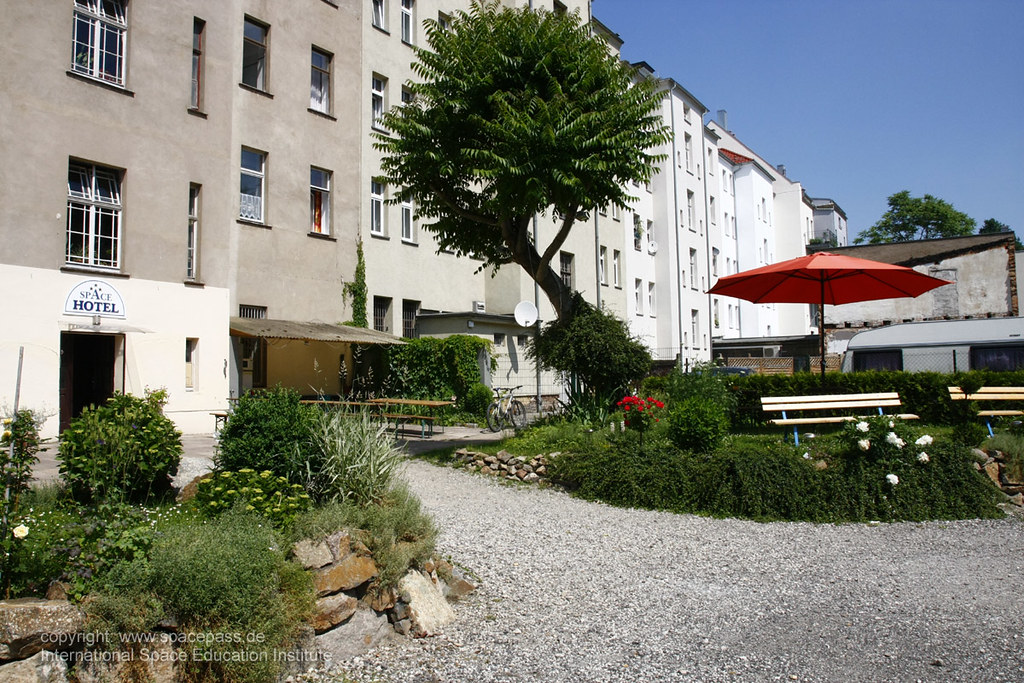
The International Space Education Institute modified its power supply with the Jesco von Puttkamer school, the workshops and the Habitat (Space Hotel) on sun. So the young scientists get an idea of ??sustainable energy use.
Since this week the solar power plant was installed on the roof. It is divided into 3 components:
- 30 m² photovoltaic (6.6 kilowatts)
- 20 m² solar thermal (sufficient for 1,200 liters/ 317 gal of hot water per day)
- Mini-CHP (5 kW electric power, 12 kW for hot water)
Thus, in future, the amount of energy used is produced to operate the "Jesco von Puttkamer school" and their departments themselves. Excess electrical power is fed into the network. Electricity consumption during the night will largely be refinanced. On very sunny days, excess heat from the solar thermal energy has to be dissipated. This is fed to a 2000 liter / 530 gal hot water tank for showering and washing. In the transitional seasons even bleigt left some heat for a basic supply of heating the rooms. Excess heat is dissipated in the summer to heat the outdoor pool (38°C / 100°F temperature in the pool are possible).
On cloudy days and in snow adds a mini-cogeneration plant from "Ecopower" the energy-budget in the basement. This consists of a single-cylinder 4-stroke engine and is driven by natural gas. A generator replaces the complete power of the photovoltaic to 5 kW. In addition, it produces a fundamental requirement of 12 kW hot water to recharge the hot water tank and basic operation of the heater. So this powerstation adds 120 kWh electricity and 288 kWh for wamwater per day!
The heating of all buildings on campus takes in the winter months, a natural-gas powered energy-efficiency heating of "Junkers" with a peak power of 100 kW. This benefit is especially important for the heating of the workshops on the Campus. An own subterranean district heating pipe ensures the transport of energy. So the steady weekly technical after-school-activities with students are now also possible in the cold months. Carger for the selfmade NASA-E-Rover and pugs for E-Cars on the Campus´ parking lot are in preperation.
The win with this intelligent system saves circa 400-800 euros (US$ 450-900) / month are used to promote the youth work of the institute and its young scientists. An online monitor published in the house and on the website the result of this captive power plant. So the young scientists who are learning here, their sponsors and the Space-hotel guests are able to see the energy balance of this house. If necessary they can adapt their life and work to the rhythm of the sun and its environment. Similarly the astronauts and cosmonauts living aboard the ISS, are doing the same. The namesake of this school "Prof. Jesco von Puttkamer" was the 1st ISS-director for 14 years long. So this technology is honoring his work and life for young scientists
Thanks to Aizhigit Tabanov (Young Engineer for Aerospace, Bishkek, Kyrgyzstan) for his cooperation in the realization of the project: (https://www.facebook.com/groups/NASA.summercamp/?fref=ts)
Thanks to Dr. Loeser from the company Dr. SOL Solarsystems in Leipzig (http://www.drsol.de).
more photos:
Ecopower: https://www.flickr.com/photos/spaceeducation/albums/72157668437730724
Dr Sol: https://www.flickr.com/photos/spaceeducation/albums/72157672840296296
Assembly: https://www.flickr.com/photos/spaceeducation/sets/72157673259676046/
|
Tuesday, 02 August 2016 00:04 | Written by Ralf Heckel |
There are no translations available.
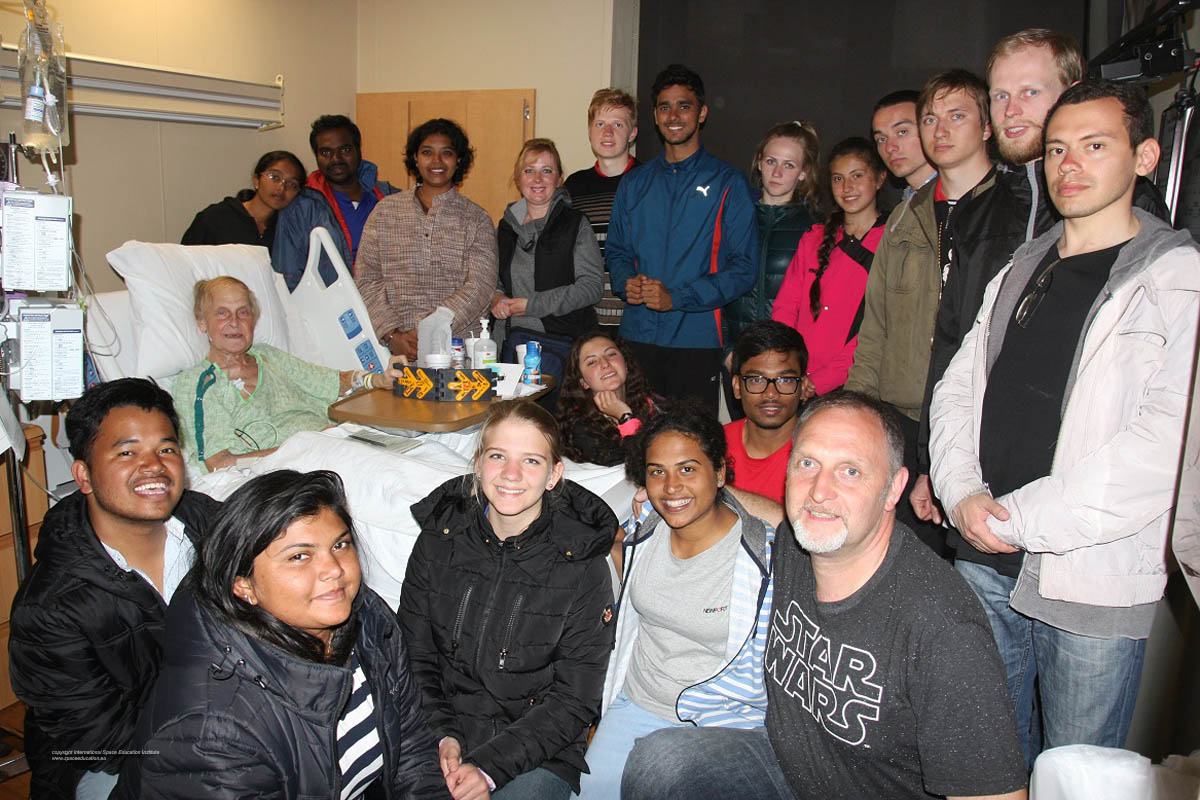
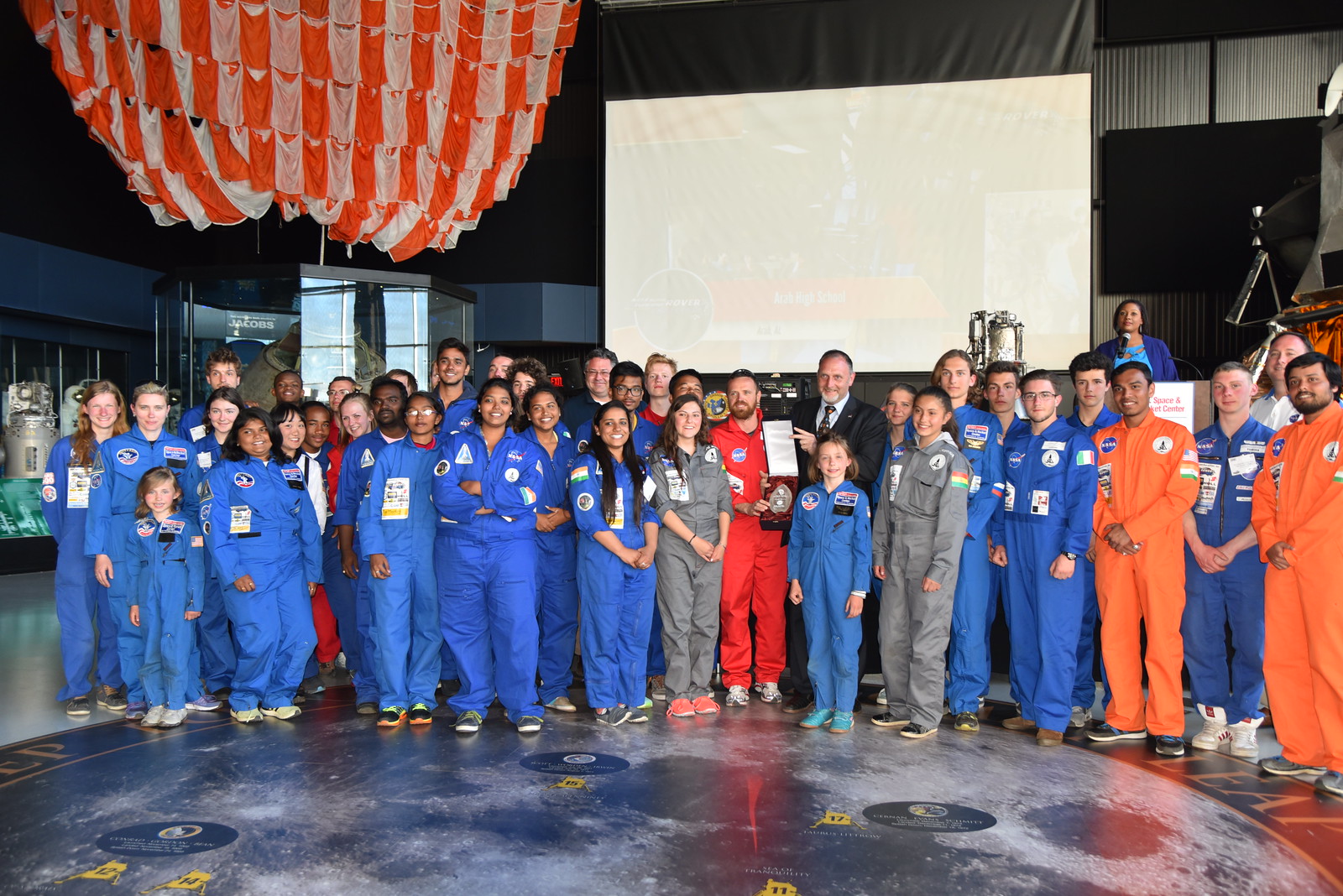
My collegue and judge Tom Hancock (AIAA) said to me at the NASA Roverchallenge: "Ralf, Al want to see you with your international students in the Hospital". So it was a pleashure for me to come with all 17 students what we had with us. They came from Bolivia, India, Russia and Germany. Al told them a long story about his life, his fight for the future and our responsibility to push their work - together with all visioneers of this world. In this small room was an increddible silence. Everybody was able to crab each of his words and record it into his mind.
Now, Al passed away in summer 2016, July 24th. So a lot of high experienced people went from us, whitnesses from the pioneers time of spaceflight. It is a big loss. We are sad about his death. But we also are knowing that his conversations will still live in our mind and will guide us into the next future of our exploration. Follow the tracks of the forefathers, with their strong rules and core values. Turn around the comfort zone, change the sofa with your shoes and build bridges instead of walls. The view back from space what Al also made with Apollo 8 - teaches us that we are: one world, one menkind and one community. Al, you was a fighter to reach the stars. Now you are there. Be shure that the international young generation is wishing you a safe flight! Ralf Heckel,
Friday, 17 June 2016 10:43 | Written by Ralf Heckel |
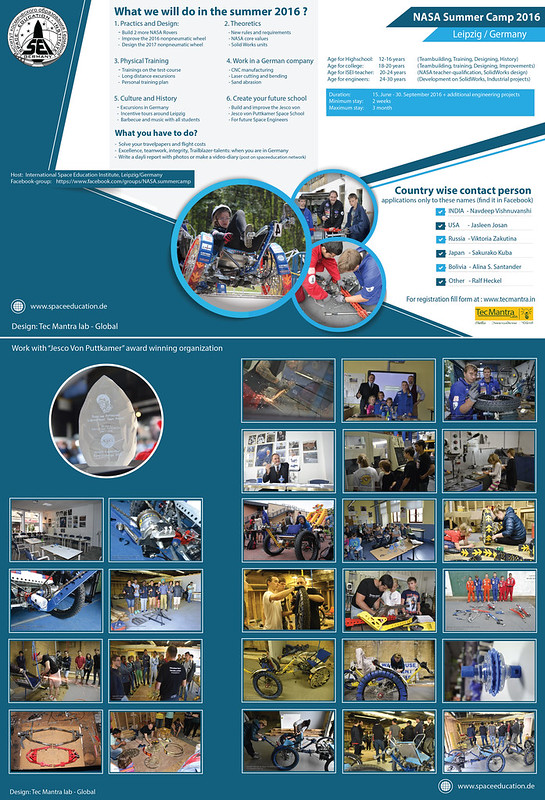
We invite again for NASA SummerCamp. This year the core areas are in designing a new nonpneumatic wheel, as well as a battery-powered NASA Rovers of the 2nd generation. We want to modify the existing NASA rovers for training and build 2 new vehicles. Of course, you work again together with international students from many countries, making internships in some of the more than 100 partner-factories in and around Leipzig. In numerous excursions you will fit your team spirit, body and your skills. Your practice in foreign languages, culture of other countries, to achieve common goals and of course writing experience reports as "NASA Trailblazer" is expanded here. You live in the Space Hotel and eat in a self-organized teamwork. Of course there are days of swimming, barbecues and many shared experiences. In addition this year, here is the expansion of "Jesco von Puttkamer school". This is to be inaugurated on 09/22/2016. For regional and international young naturalists there will be an international career center with ASA-offers, seminars and internships. You can help us energetically as all other generations before you. Who shows us the most integrity over the summer, will be selected for future Space Education Missions: inOctober for a world tour (India, Russia, Italy, South and North America), gets further deals excursions in Star City to Russia and for NASA Rover challenge in April 2017 the United States. The expenses for lodging and food amount to 190 euros / week. The program is free in the first 2 weeks characteristic learning phase. Then we recommend you as it can go and whether you will nominated for an international space mission on the way in science. From this moment you will organize in a teamwork your further crowdfunding for the projects and for a career in the premier class space itself. You can represent each of these workshops with school internships and your later Baccalaureate (propaedeutic-work) as well as practical projects of your university. APPLICATION-FORM
Flashbacks: 2011: https://www.flickr.com/photos/spaceeducation/collections/72157627076371133/
2012: https://www.flickr.com/photos/spaceeducation/collections/72157630696937606/ 2013: https://www.flickr.com/photos/spaceeducation/collections/72157634465976029/ 2014: https://www.flickr.com/photos/spaceeducation/collections/72157644783424900/ 2015: https://www.facebook.com/groups/NASA.summercamp Leipzig 2015: SpaceEducation TV-Channel
Bolivien: PXM-TV Russland: Rossia 1, Nachrichten Indien: Woman-Magazine USA: NASA Roverchallenge
Italien: RAI uno
Tuesday, 07 June 2016 20:05 | Written by Ralf Heckel |
There are no translations available.
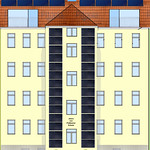
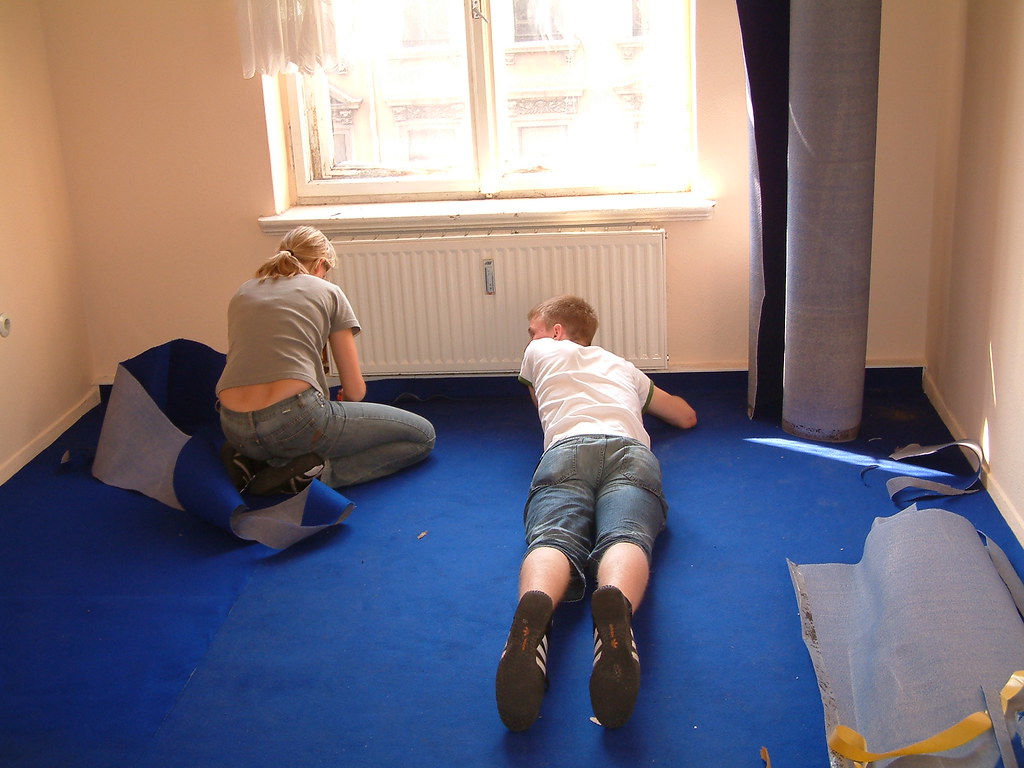
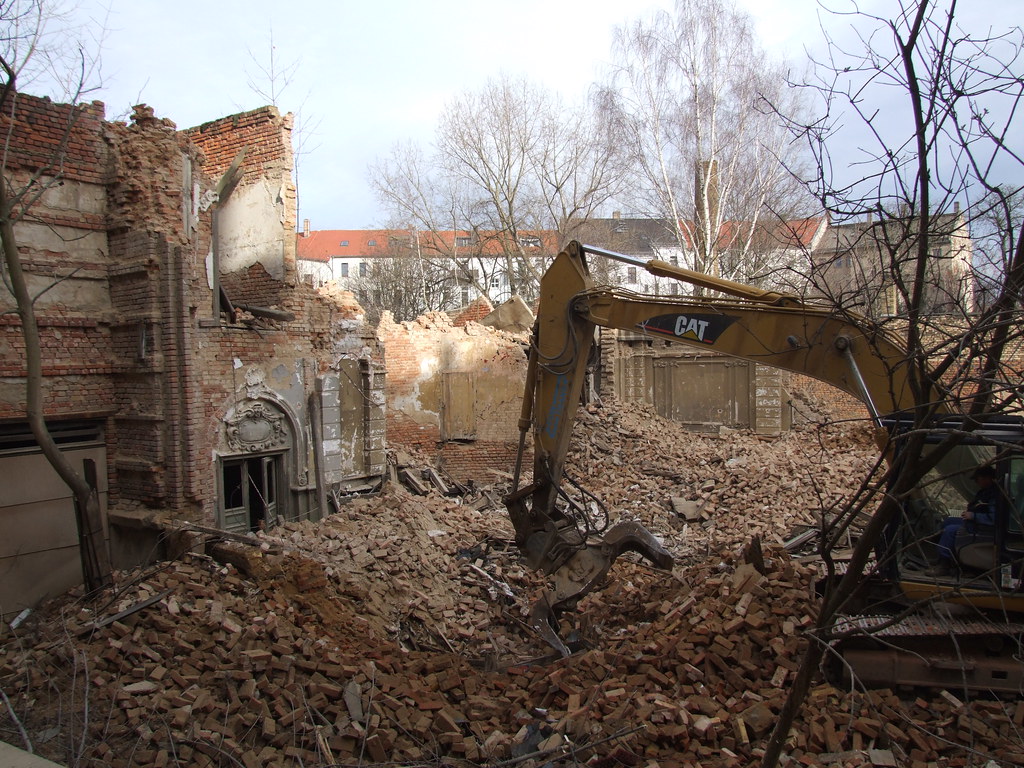
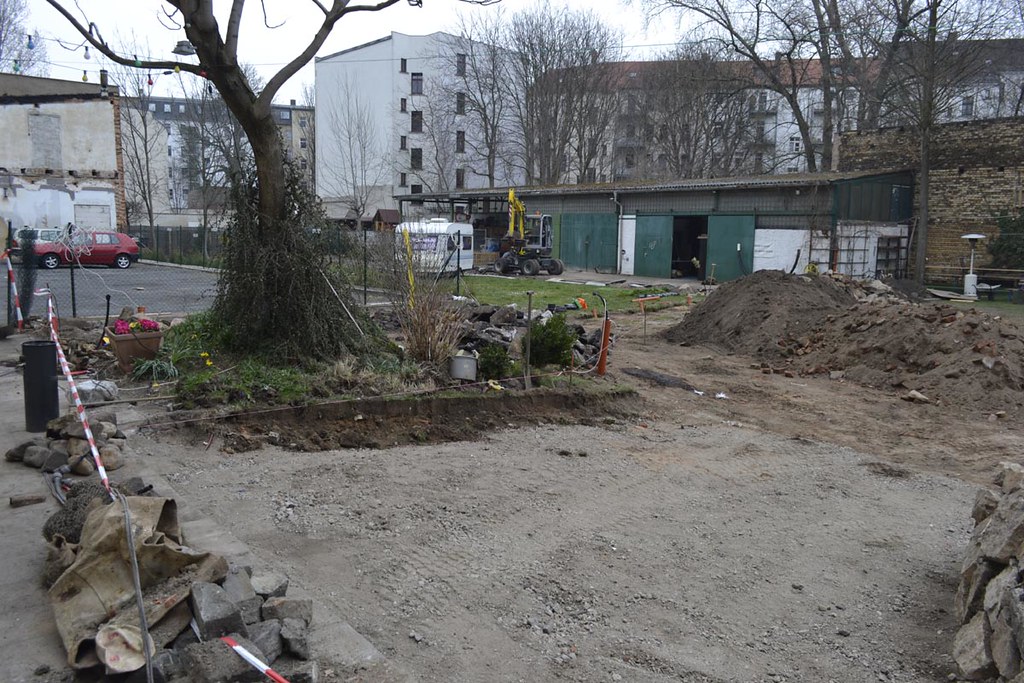
Am 13.6.2016 beginnt in der Wurzner Str. 4 der Umbau des ehemaligen Mehrfamilien-Hauses zur internationalen Schule für junge Naturforscher und künftige Ingenieure. Das ehemals leerstehende Haus wurde 2005 von dem Ehepaar Yvonne & Ralf Heckel angemietet und 2010 gekauft. Es wurde seitdem in Eigenleistung ohne fremde Hilfe innen zu einer international renomierten Förderstätte für begabte junge Naturforscher mit Seminarräumen und Übernachtungszimmern ausgebaut. Es wurden weitere anliegende Grundstücke zugekauft für Zufahrt, Parkplatz, Werkstatt, Terrasse und einem Raketengarten für die jährlichen internationalen Sommercamps.
Viele sehen in der “Schule für Elektromobilität und Raumfahrt” jene notwendige Herausforderung um später eine sichere berufliche Zukunft zu haben. Die Teams, welche jährlich Bestpreise von solchen Wettbewerben weltweit mit nach Leipzig bringen, werden von Leipziger privaten Handwerksbetrieben unterstützt. Oft gehen Entwicklung, Bau und Kleinserie Hand in Hand und zum gegenseitigen Vorteil sofort in weitergehende Projekte an den angeschlossenen Universitäten mit ein. Zur Zeit wird an einer Serie für einen Schulbausatz zur Elektromobilität auf der Straße gebaut.
Da dieses Engagement in Leipzig bislang nur Förderung aus dem Mittelstand und der Industrie, nicht aber aus städtischen- , Landes- oder Bundesmitteln erfuhr, etablierte sich um den gemeinnützigen Verein herum eine Aura von wirtschaftlichen Eigenbetrieben. Diese übernehmen die finanzielle Last der gemeinnützigen Bildungsarbeit, das Crowdfunding für die Projekte und die Preisgelder für die inzwischen zahlreichen internationalen Awards. Eines dieser Unternehmen ist in Leipzig als gut besuchtes “Space Hotel” bekannt, indem frei bleibende Schüler-Gästezimmer an den kommerziellen Hotelmarkt abgegeben werden. Die so und durch Ingenieurdienstleistungen erwirtschafteten Gewinne kommen den gemeinnützigen Projekten direkt zugute.
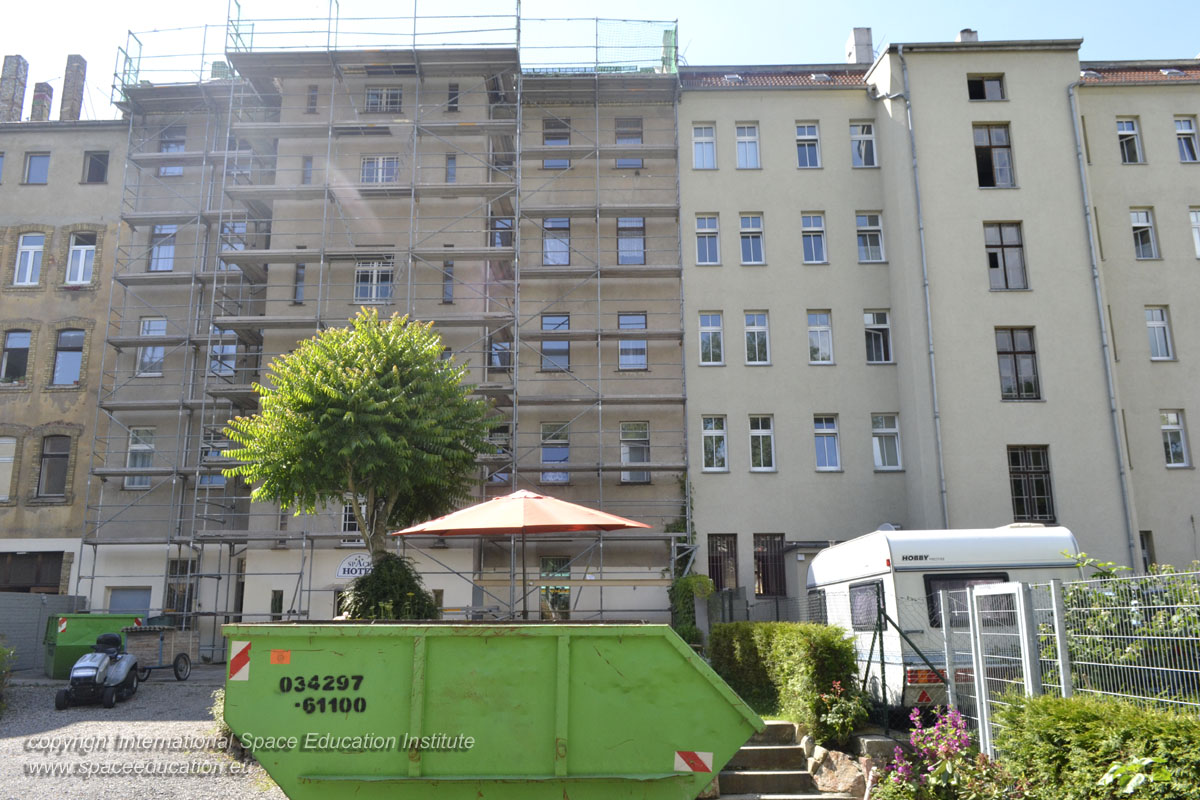
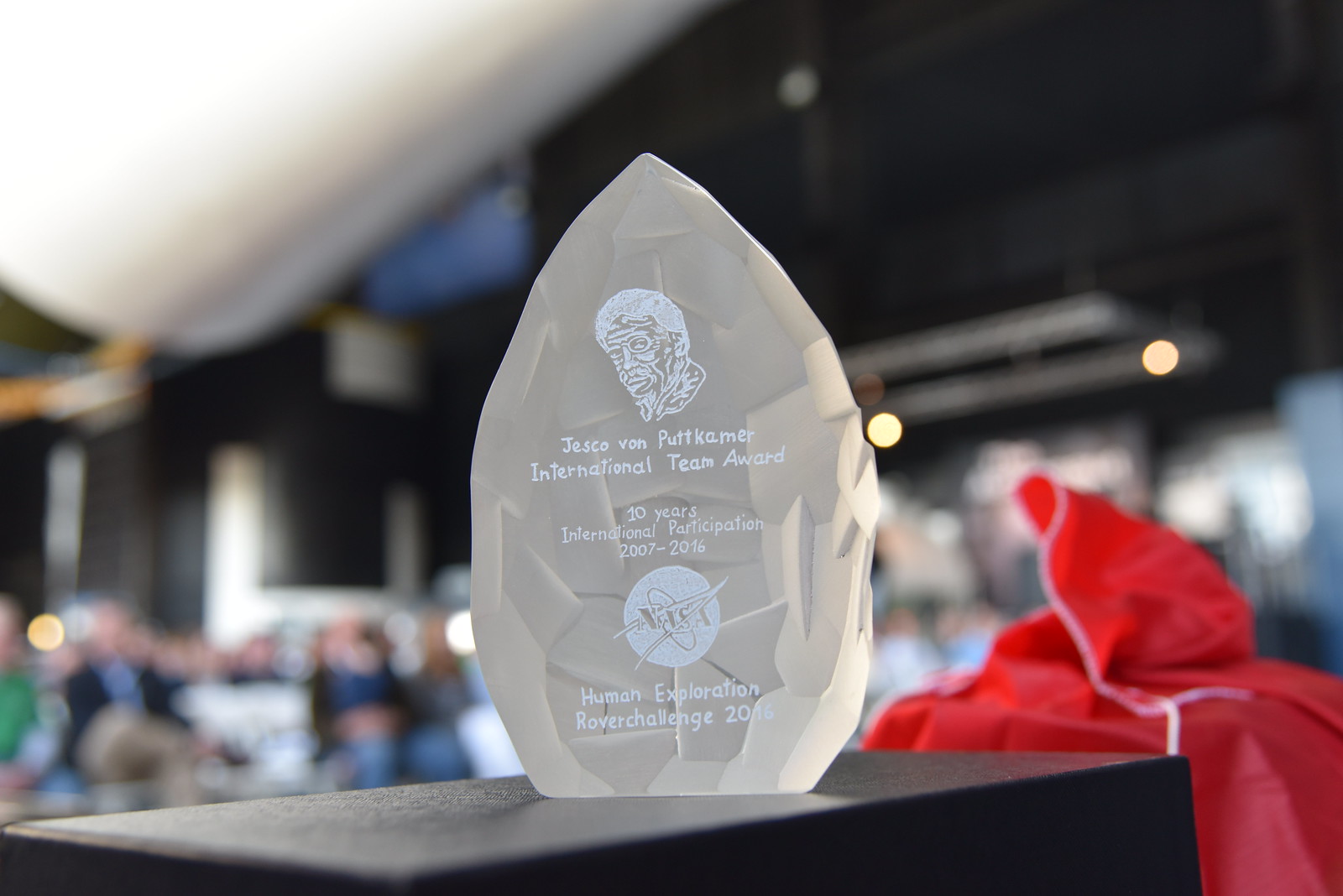
Es ist im 10. Jahr des Bestehens dieser besonderen Leipziger Jungendförderung an der Zeit, dass sich weitere Unternehmen als Patenbetriebe daran beteiligen oder auch nur einfach solche gesellschaftlichen Aufgaben beginnen mitzutragen. In den USA nennt man dieses Engagement "Grassroots" und wird vom Staat hochgeschätzt. Freude und Schaffenswillen, "gefordert werden wollen", greift somit nachhaltiger als jede formale Förderung mit der Gießkanne. Am 22.9.2016 soll das Baugerüst abgebaut sein und die “Jesco von Puttkamer Science School” eingeweiht werden. Der in Leipzig in der Salomonstraße 25 geborene deutsch-amerikanische Wissenschaftler förderte bis zu seinem Tode im Dezember 2012 das Engagement in seiner Geburtsstadt. Er entwarf Systeme für die Apollo-Mondlandung, begleitete die Space-Shuttle-Ära und war von 1998 – 2012 NASA-Direktor der Internationalen Raumstation ISS. Prominente Freunde, Weggefährten, Wissenschaftler, Schauspieler aus den von Puttkamer mitgestalteten Star-Trek-Filmen sowie befreundete Politiker werden der Einweihung mit anschließender Auszeichnungs-Zeremonie beiwohnen. Für Leipziger Schüler entsteht mit der Schule damit ein zusätzliches Angebot, welches ab dem neuen Schuljahr einmal wöchentlich im Rahmen einer praktisch-wissenschaftlichen Arbeitsgemeinschaft besucht werden kann. Ableger der NASA-AG in den verschiedenen Leipziger Schulen werden damit zentral zusammengefasst.
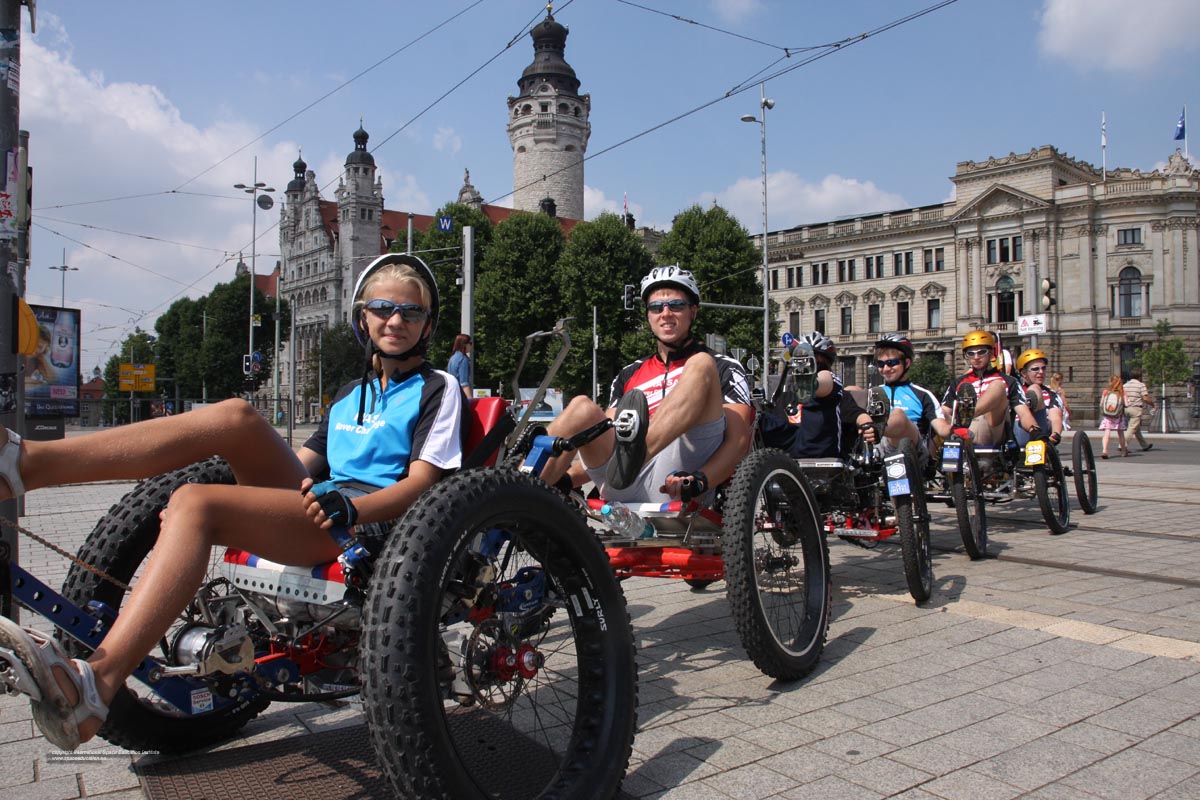
Nur in Leipzig selbst ist es immernoch ein Hingucker, wenn die NASA-Rover zum Training durch die Stadt rollen. Wohl liegt das derzeit auch noch daran, dass die Absolventen ihre Arbeitsstellen noch nicht in Leipzig finden, sondern oft in Übersee. Dennoch bilden sie eine Grundlage, denn alle kommen gern zurück. Die ersten sind bereits Boss ihrer eigenen High-tech-Firma mit internationalem Ruf.
Monday, 30 May 2016 09:46 | Written by Ralf Heckel |
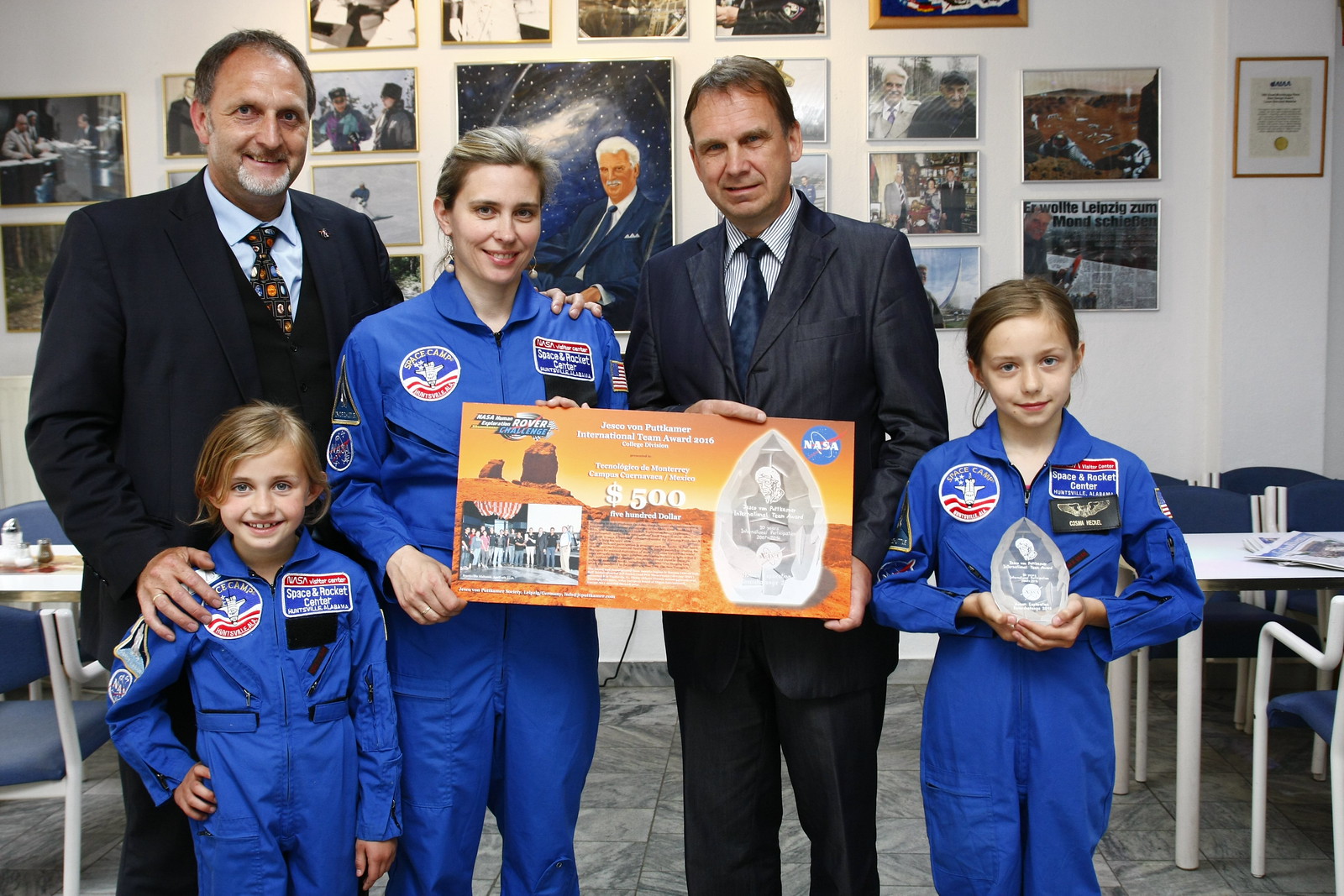
info tv leipzig, May 31st 2016 2016 Rover Challenge Final Results The two children ambassadors Cosma (9) and Tara (6) took their responsibilities very seriously likewise representative during and after just past USA excursion. The Info TV Leipzig sends a report on Monday, May 30th 2016.
|