| Student reports - 2013 |
 Saturday, December 28th, 2013
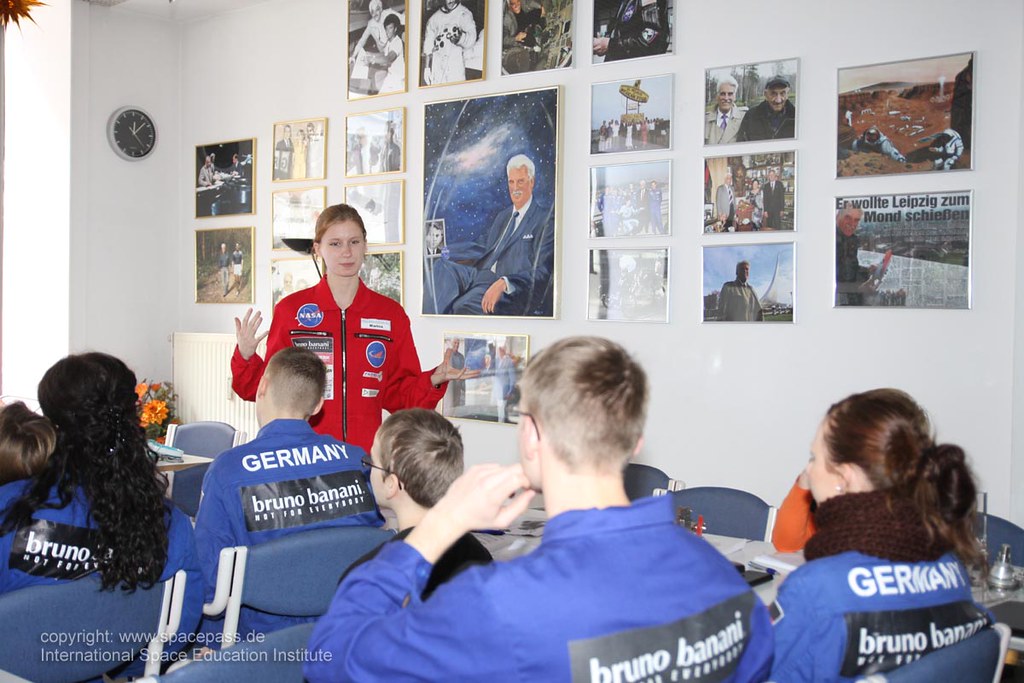
The workshop began at 10:00 in the morning with Nadin Roessler, a former Moonbuggy driver, presenting the team members with her reactions of last year’s competition. She spoke to the new team about what it takes to have the power to compete in Huntsville/Alabama and have high marks, what she learned through the process and inspired the workshop students to try as hard as they can and to believe that they can.
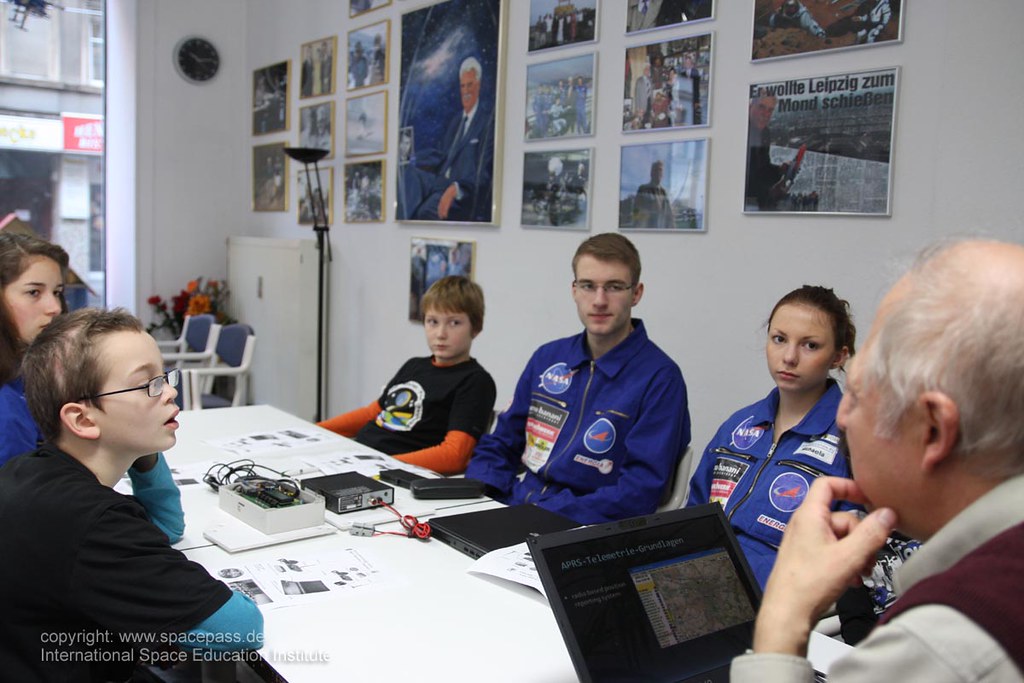
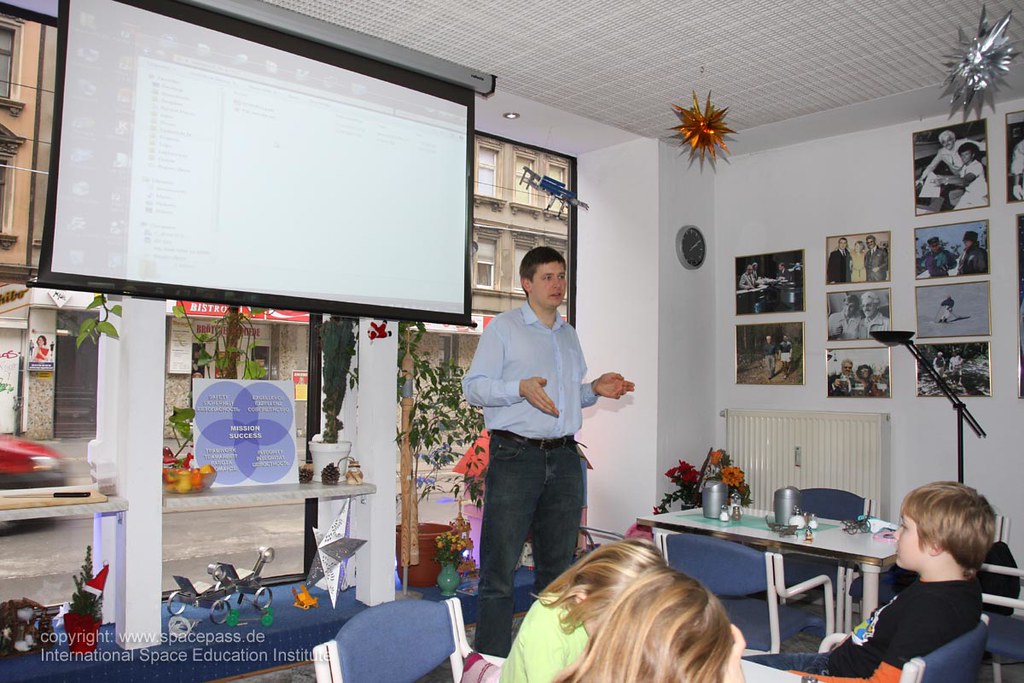
After Nadin’s presentation, we were visited by Nikita Yaskevitch and his collegue, IBM-engineers from Moscow. Nikita Yaskevitch presented the Youth Space Center of the Moscow Baumann University (MGTU) and its mission, goals and accomplishments. We were very lucky to have their presence. Each team member had the opportunity to introduce themselves to the engineers and see the career possibilities they have in the future if they continue with space education.
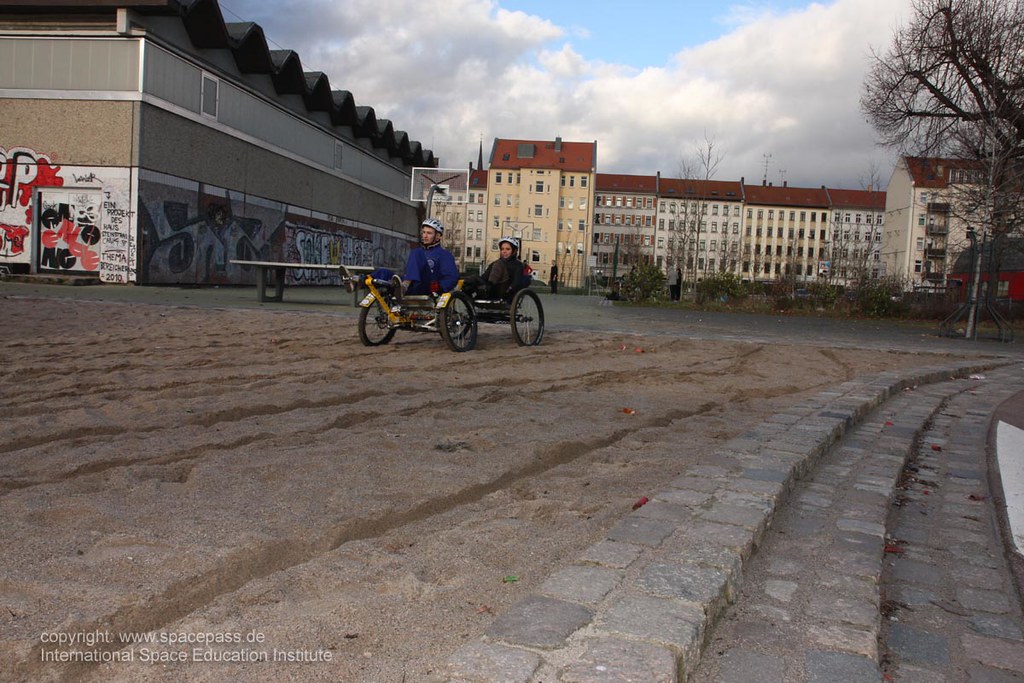
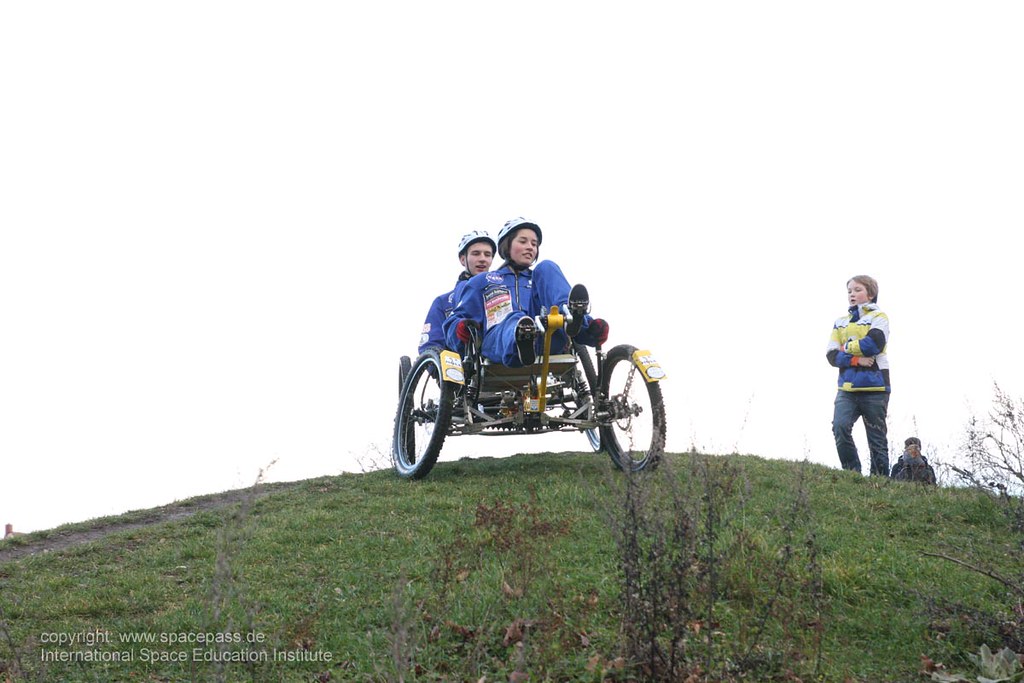
 After both presentations, we breaked for a spaghetti lunch with all alongside us. Once everyone’s stomachs were full, the students, Nikita his collegue, Evgeniy Zakutin --the working engineer at ISEI, myself, workshop leader--Ralf Heckel and his two daughters--Cosma and Tara, traveled to the nearby park for Rover training. We all tested what it was like to drive in the first seat of the Rover and to pedal in the second seat. We tested it in obstacles of sand and riding over a small concrete hill. Some students had had experience, others not. It was my first time in the Rover and I now know that it is definitely more difficult than it looks.
After the Rover training, around 4:00 p.m., I left with Evgeniy Zakutin to give a short tour of Leipzig to our two Russian guests. The students went to the institute and started to write their reports.
Sunday, December 29th, 2013
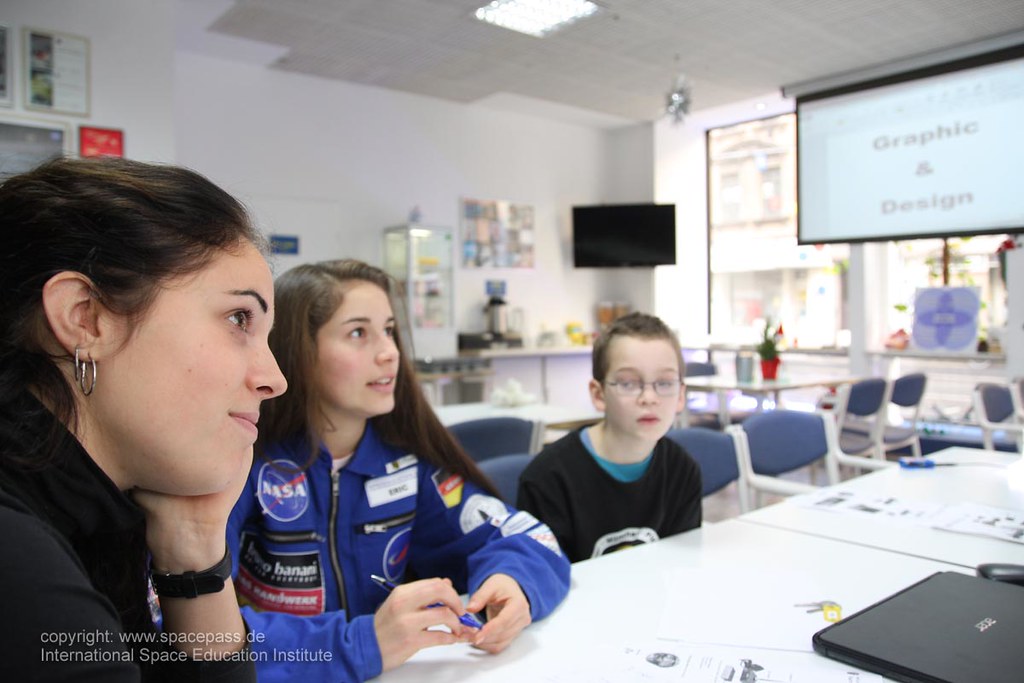 At my arrival to the workshop on Sunday, the telemetry unit finished. An electronic- and physic-teacher gave an overview about the Rover´s telemetry. I held a one hour graphic design lesson to teach the students how to create a team logo for each of their schools. I broke the design process into three parts.
Firstly, I asked what are the values of the team. Words like success, safety, teamwork, etc. were spoken across the three languages we were working in; Spanish, German and English. It made for a quite entertaining mix.
The next question was about which images could be created to represent each of these values. I explained how this part can be tricky. Often the values are complex ideas, but the resulting graphics need to be simple.
Thirdly, we created a cohesive image that could combine the three favorite values within the team patch circle.
I assigned the students to each brainstorm ten more values and ways to depict each. In the upcoming week, we will sit together to refine their sketches. Following the lesson, we sat together to eat a lunch of homemade chicken noodle soup.
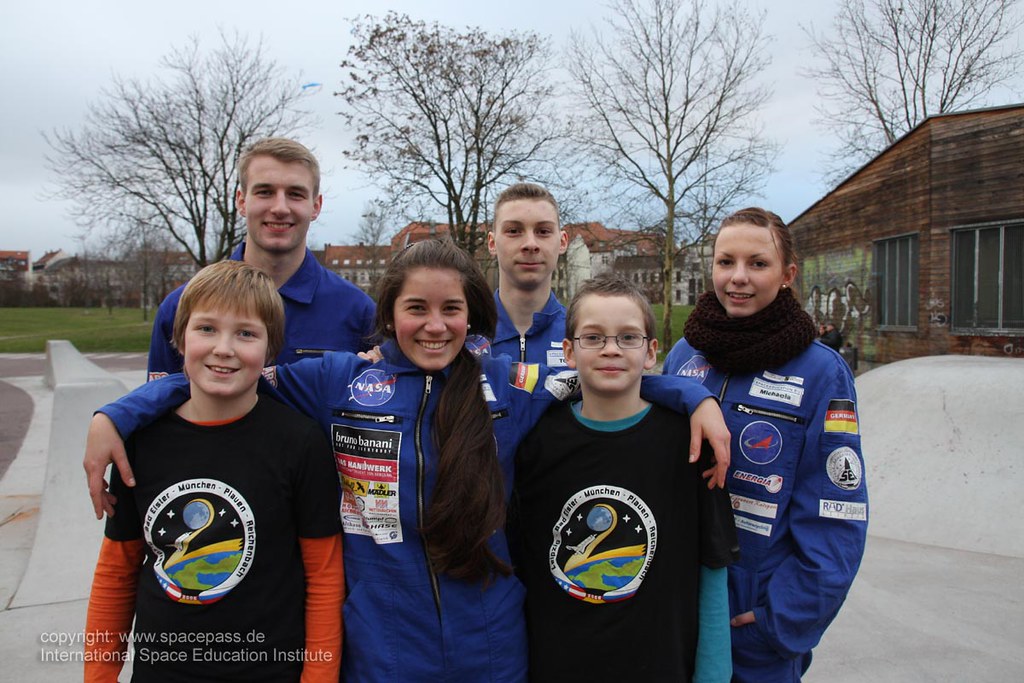
 After the meal, it was time for another set of training. This day included one more challenge than the previous Saturday. Each team member had to attempt to drive the Rover up a small, but steep grassy hill. We learned that in order to achieve a goal like this, the drivers have to start with a lot of power. With each drive, the team understood more about how the Rover works and increased their individual skill levels.
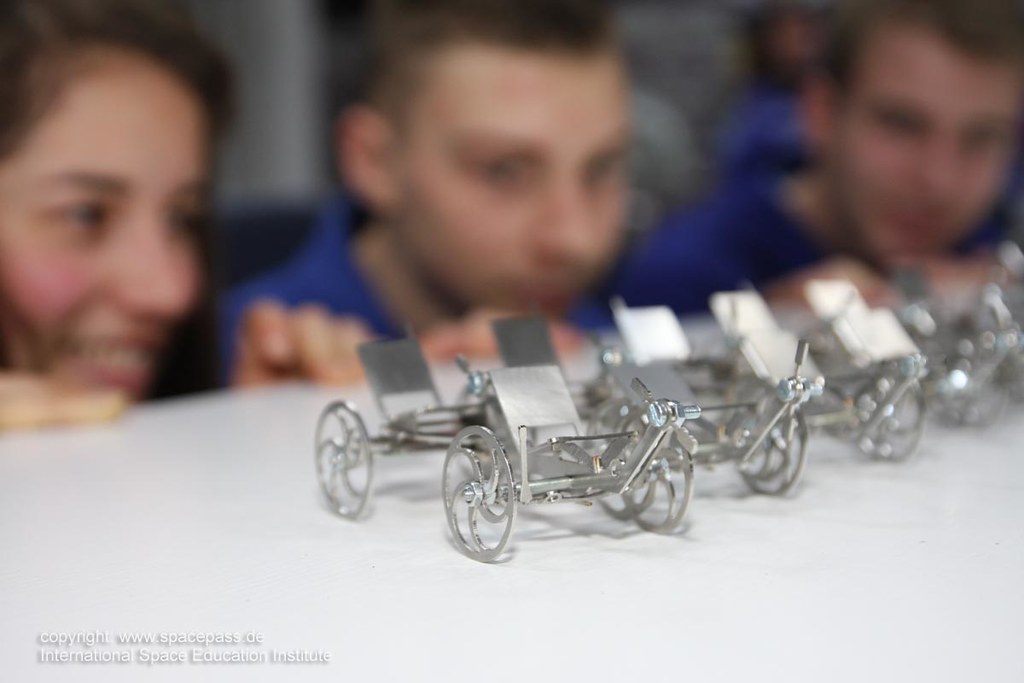
 Around 3:00 p.m., we returned to the institute to build “mini Rovers.” Tobias Meier introduced to the class how to build it, then Ralf continued with more detailed instructions. Each student and myself were given our own metal Rover dye-cut to de-construct and build into a functioning mini Rover. Firstly we had to cut and round screws that we would later use for the axles. Then we followed the mini Rover manual for step-by-step image instructions.
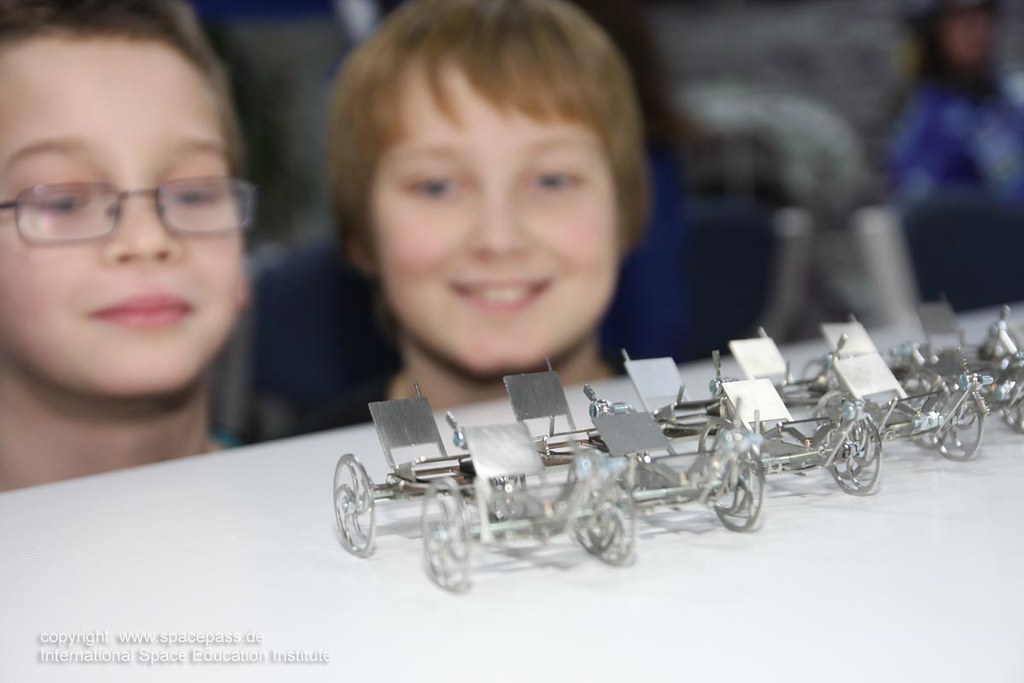
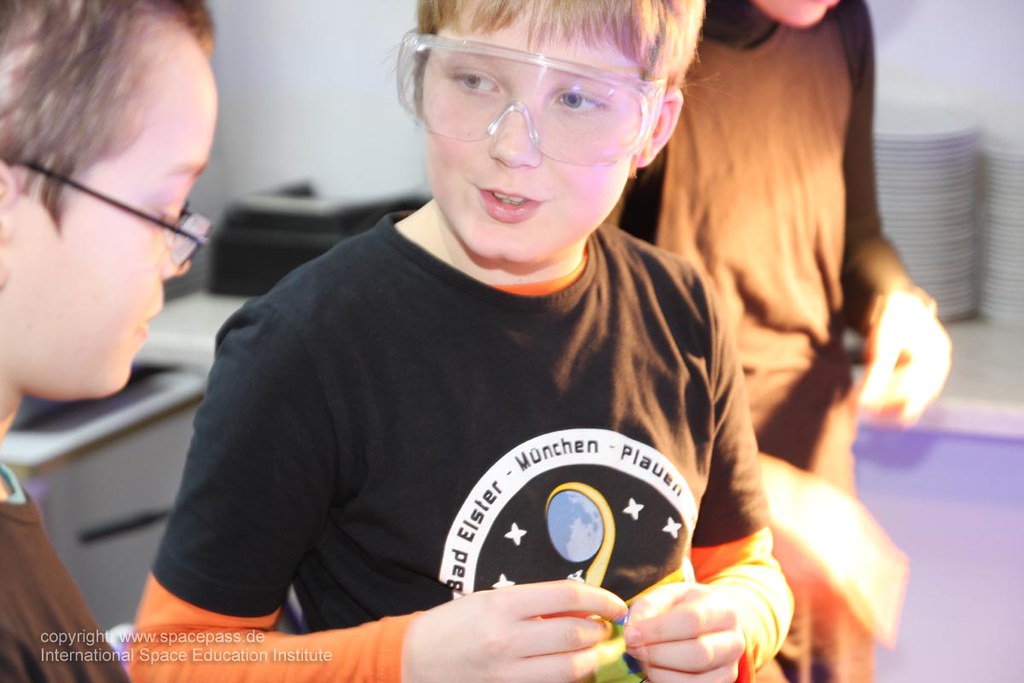 Following the mini Rover construction, I recorded a video of Tobias teaching how to build the mini Rover in German, Lennart Lederer teaching it in English and Araceli Zeller teaching it in Spanish. It is important for the students to not only know how to build and develop the Rover, but also to be able to move forth and teach how to build the Rover. This creates thorough understanding.
The weekend workshop consisted of several, interlinking aspects. The technical/engineering side and the physical side were tackled equally. The students can only succeed in the physical race if each member understands how the wheels are affixed, what parts are moving exactly when the driver steers, and so forth. The training in the park is also important. It builds muscle memory for driving the Rover and it also helps them to understand why the Rover is designed as it is.

 At the last 3rd day the students learned more about sponsoring, presswork and marketing. Ralf drove with them to several companies and explained them how to collect sympathie and donators money.
I look forward to seeing the further development and successes in each of the Team Germany members.
|
Sunday, 29 December 2013 18:44 | Written by Lennart Lederer und Araceli Zeller |
There are no translations available.
Und jetzt gehen wir Abendbrot essen. Lennart Lederer, Araceli Loreley Michell Zeller Fotogalerien:
Thursday, 26 December 2013 13:29 | Written by Ralf Heckel |
One year ago, the NASA scientist Jesco von Puttkamer died with the age of 79. The senior employee of the US Space Agency lost the battle to a flu virus in his home in Washington DC on the 27th of December, 2012. He left his wife Ursula.
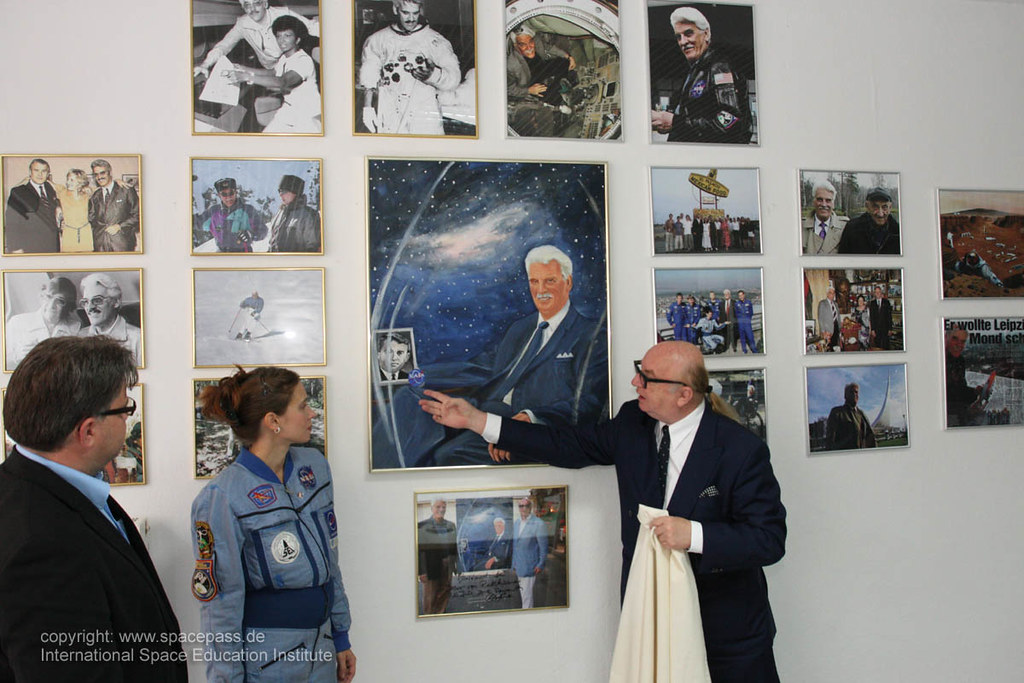
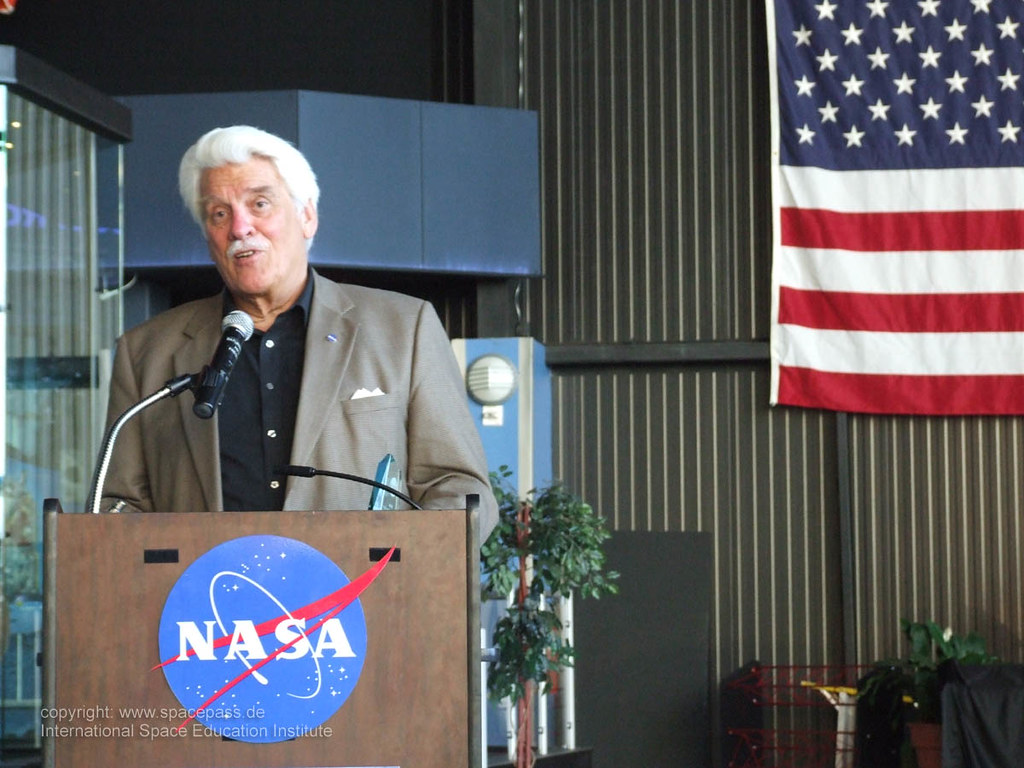
Jesco von Puttkamer will not be forgotten as an author, speaker and 1960s TV guest, in Germanz and the U.S. The complete development of Apollo, Skylab, Space Shuttle, ISS and the strategic preparation for the mars mission have created his legacy within NASA and youth interested in space exploration. The mediation between ESA and Russia is in thanks to him. The list of awards is long. Among other things, the former engineer, von Puttkamer, received the honorary doctorate and the professorship, became the distinguished German-American of the year, 2008, and an asteroid was named after him. Above all, the NASA scientist, who didn’t have any of his own children, supported one thing: motivating youth to science. On the 4th of February, 2013, NASA arranged a commemoration in the name of the engineer, scientist and visionary. A twenty man delegation of students and businessmen from Germany was invited to an extensive excursion. On the 22nd of September, 2013, the 80th birthday of von Puttkamer, international colleagues and friends founded the “Jesco von Puttkamer Society” and donated a plaque at his birth house in Leipzig and at his former home on Monte Sano in Huntsville, Alabama. Beginning in 2014 and following each year, the society will donate an award to young and science students. In September 2014, the first Jesco von Puttkamer Readings will be held. International scientists and colleagues of von Puttkamer will inform the young generation and interested people about the future of space flight and its use for the progress. The society keeps the Puttkamer network alive, honors the legacy of the scientist, supports young talents for natural science and is the first contact for giving names, prizes and awards in the name of von Puttkamer. The Jesco von Puttkamer International Team Award is endowed with USD $1000 and will be given to international committed teams on the April 12th, 2014 at the NASA Rover Challenge in the Rocket City of Huntsville. The International Space Education Institute - Leipzig, an association launched in part by von Puttkamer, will judge the award.
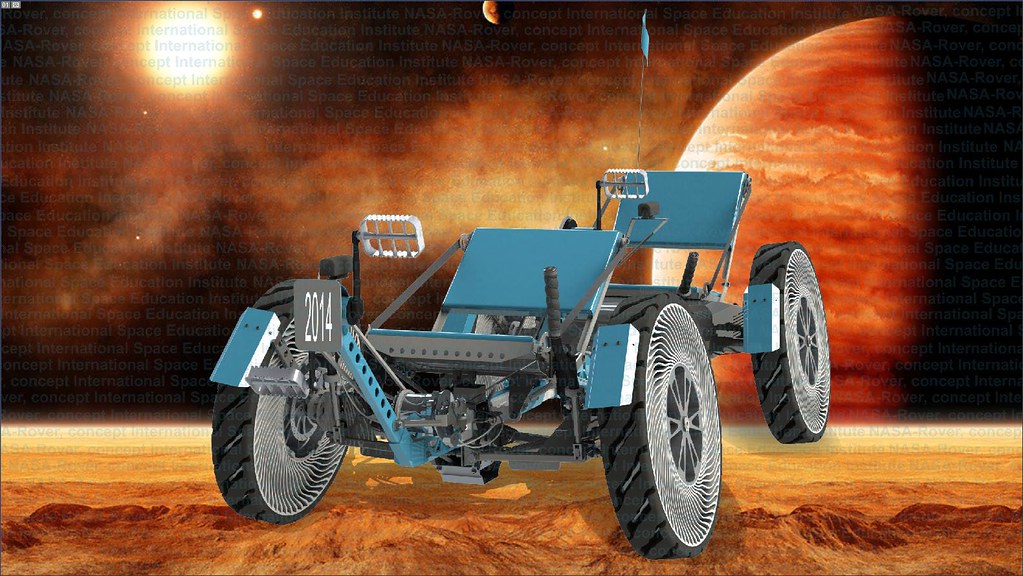
Today, one year after the death of Jesco von Puttkamer, international students and engineers have a meeting in their workshop Together they prepare for the NASA Rover Challenge by developing a mars rover with non-pneumatic wheels and electronically supported pedals in the home city of Wagner, Porsche & BMW. The workshops are regularly continued in Moscow, Venice, Neu-Delhi and Huntsville, AL. With their work, they bring the memory of a committed scientist to the future. Today, the digital rollout of the first NASA Rover takes place in the name of Jesco von Puttkamer in his birth town, Leipzig. Donation account: Source: Text: Ralf Heckel contact: info at jvputtkamer.com
Friday, 11 October 2013 17:00 | Written by Ralf Heckel |
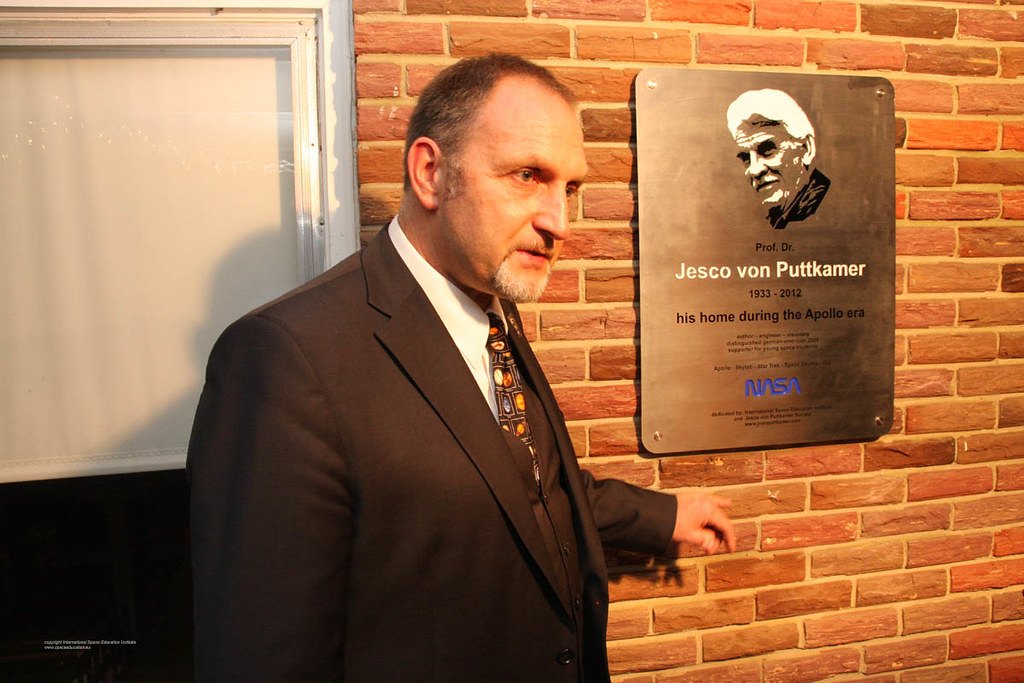
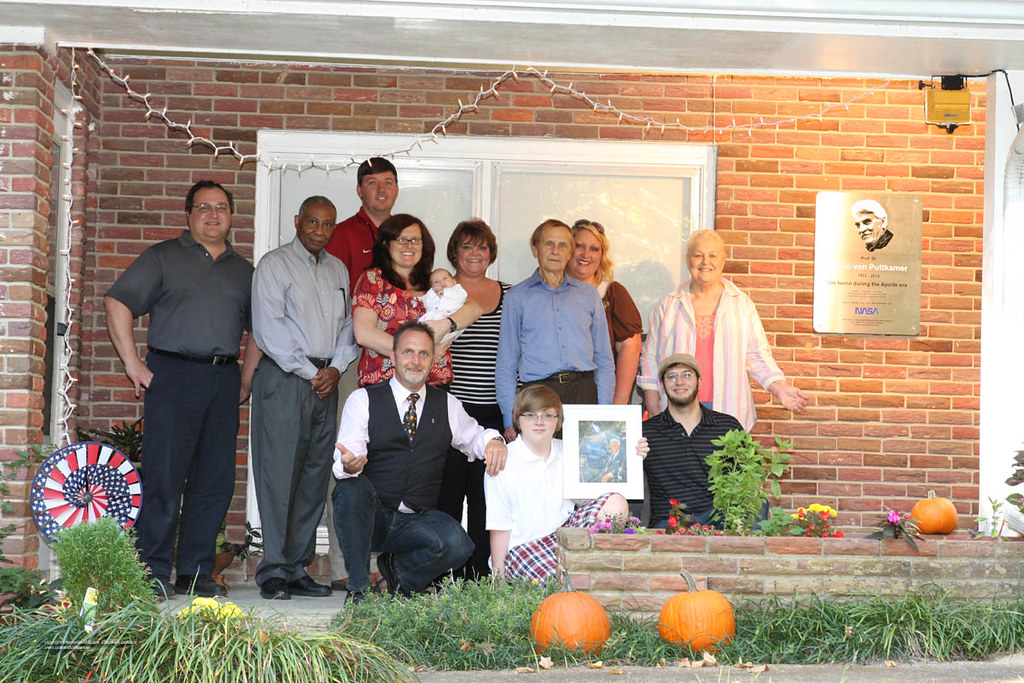
Huntsville/Alabama After a honorary speech about the reasons of this plaque, it was unveiled to applause . The guests were Frederick Ordway (Book Author), Heidi Weber Collier ( descendant of a family from the team of Wernher von Braun ), Jürgen Drescher (DLR Washington ) , as well as engineers, teachers and citizens. After that there were at beer tables sausage with sauerkraut and pumpernickel . The talks lasted until late in the evening. A 2nd meeting was on Monday oct. 14th. People from a school and the Marschall Spaceflight center came. It was a beautiful afternoon with coffee, cake and a glas of sweet Riesling Vine. more photos : http://www.flickr.com/photos/spaceeducation/collections/72157632417603528/
Sunday, 06 October 2013 20:37 | Written by Ralf Heckel |
Where: When: contact: info (at) jvputtkamer (dot) com Herewith: All friends, colleagues, readers, fans and supported Moonbuggy students of the NASA scientist Prof. / Dr. Jesco von Puttkamer are invited to attend. A plaque will be unveiled at the former home of Dr. von Puttkamer wherein he resided during the Apollo era. This is the second plaque to be unveiled, following a prior inauguration at the birthplace of the NASA scientist in Leipzig, Germany on September 24, 2013.
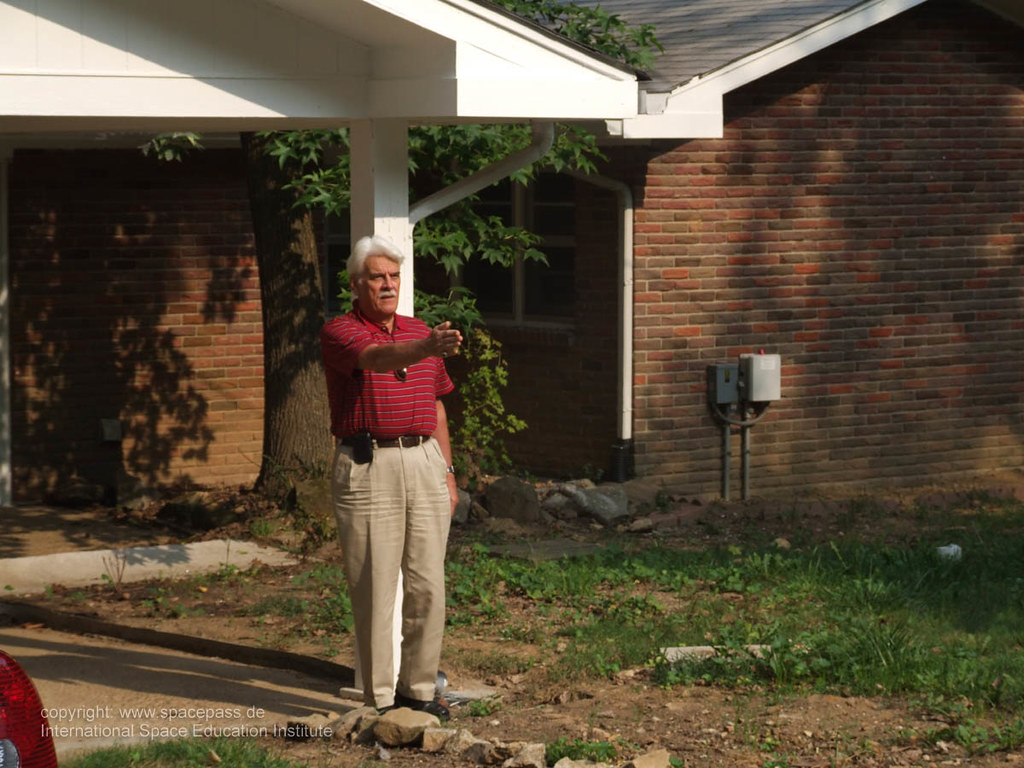
Since 2006 Dr. von Puttkamer came every year back to Huntsville, Al and supported the international league of teams participating in the annual NASA Moonbuggy Race. During these returns, he would meet with U.S. students and international students at historical sites of the "von Braun team" in Huntsville. These sites commemorate many who paved the way to the future and should not be forgotten. The "Jesco von Puttkamer Society", founded September 24, 2013, consists of close friends and colleagues and also international students of the scientist. This plaque is dedicated to the memory of this great scientist who was able to join and link the international world of aerospace.
No scientist shaped our present and future as sustainable as Prof. Jesco von Puttkamer by his works 1961 Engineering diploma for Mechanical Engins, TU Aachen
Links:Fotos-Leipzig-commemoration-obituary |