| Student reports - 2013 |
[Sofort-Reporte auf Facebook] [Sofort-Fotogalerien] [Schüler-Reporte] [Vorstands-Reporte] [Videos] [live-TV] [Programm]
 Ralf Heckel: Heute trafen 3 Teams aus Indien ein. Ich war den ganzen Vormittag damit beschäftigt ihnen Schützehilfe mit unserem Bus als Taxi, beim Hotel Checkin und mit der Werkstatt zu geben. Alle Studenten und auch die Professoren waren letztendlich für diese Hilfe dankbar und zeichneten gern eine ordentliche Mitgliedschaft in unserem Verein. Inzwischen arbeiten 5 Teams (2 eigene und 3 indische) in unserer Werkstatt zusammen. Das ehemalige Warenhaus erweckt zur richtigen Geschäftigkeit und zieht neugierige Nachbarn aus der Umgebung in Huntsville an. Das parallele Arbeiten lässt den Schülern nun auch den Konkurrenzdruck spüren. Dieses Gefühl konnte im Zeitraum der letzten 12 Monate leider nicht aufkommen – schade eigentlich.
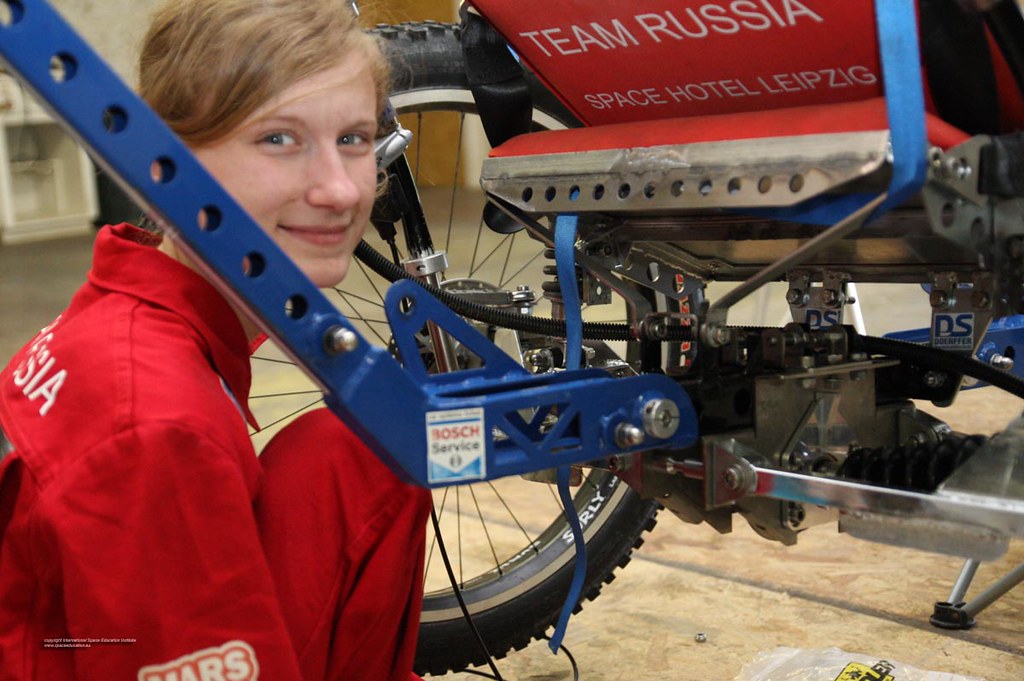
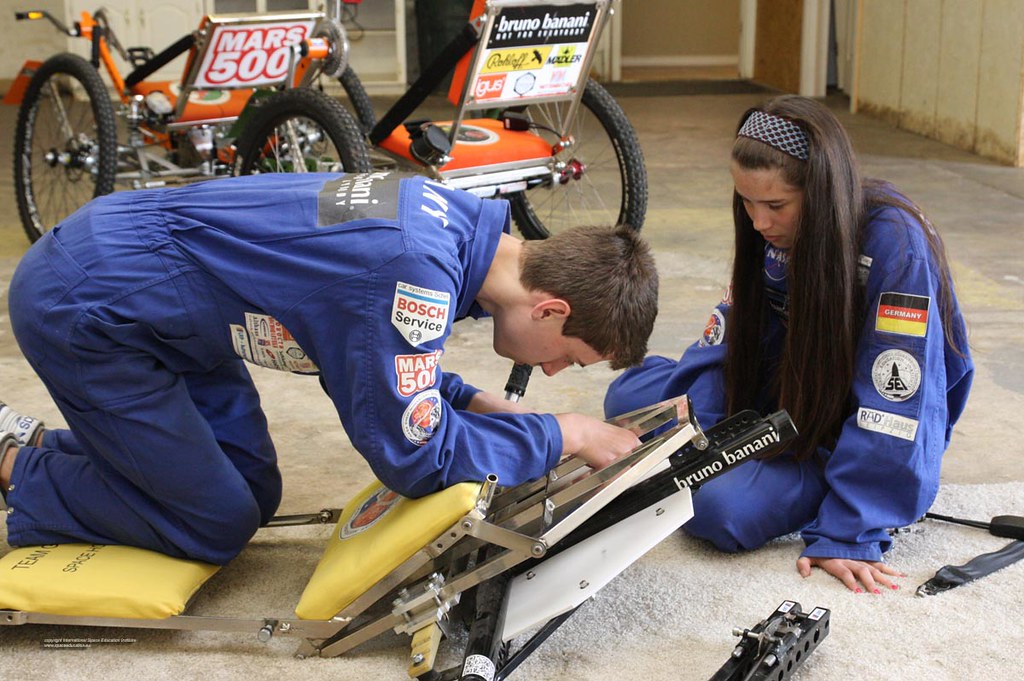
Nadin Rößler: Der zweite Bautag ist nun auch vorüber. Eigentlich wollten wir den Bau zu Ende bringen, aber anscheinend brauchen wir doch noch länger. Am russischen Buggy fehlt letztendlich nur noch die Gangschaltung und die Hinterachse. Außerdem müssen wir die Radneigung noch überarbeiten. Das deutsche Buggy scheint auch schon einigermaßen fertig zu sein. Nur noch einige Reparaturen und Ketten müssen noch angebracht werden. Ich hoffe wirklich, dass wir morgen zeitig damit fertig werden. Schließlich will ich nicht untrainiert in das Rennen starten. Moonbuggy zu fahren ist immer etwas ganz anderes, als Fahrrad zu fahren oder joggen zu gehen. Dementsprechend ist es umso wichtiger, dort eine gewisse Routine und Training aufzuweisen. Morgen können wir sicher damit anfangen. Und wenn wir das geschafft haben, steht uns hoffentlich ein kleines bisschen Zeit zum baden gehen zur Verfügung.
Araceli Zeller: Der Unternehmer vom Singespeedshop aus Hannover ist heute auch gekommen. Sie haben riesige Räder für das russische Moonbuggy mit gebracht. Ich finde die Räder richtig cool. In unsere Halle sind auch zwei indische Teams gekommen, um ihre Moonbuggys dort zu bauen. Sie haben einen netten Eindruck gemacht. Allgemein war der Tag sehr schön. Ich hoffe, dass wir morgen mit dem Moonbuggy fertig werden. Weil dann können wir endlich fahren.
[Sofort-Reporte auf Facebook] [Sofort-Fotogalerien] [Schüler-Reporte] [Vorstands-Reporte] [Videos] [live-TV] [Programm]
|
Monday, 22 April 2013 20:00 | Written by Nadin Rößler, Tobias Volie |
There are no translations available. [Sofort-Reporte auf Facebook] [Sofort-Fotogalerien] [Schüler-Reporte] [Vorstands-Reporte] [Videos] [live-TV] [Programm]
Dim lights
Während ich mich um die Halterung gekümmert habe, hat Andreas das SMD in einer der Boxen bearbeitet. Das Problem war, dass es zu hoch stand und somit der Deckel nicht richtig geschlossen werden bzw. man die Tasten nicht bedienen konnte. Um die Platten an den Buggies anzubringen, musste ich vorher die Rücksitze auseinanderbauen. Als ich mit den Halterungen fertig war, haben wir Mittag gegessen. Es gab Sandwiches :) Nach dem Essen ging es weiter. Ich habe dann aufgezeichnet wo die Boxen am besten befestigt werden könnten und entsprechend Löcher gebohrt. Als dann beide Boxen aufgeschraubt waren, habe ich begonnen die Löcher für die Batteriebox zu bohren. Leider habe ich zuerst einen 4er Bohrer benutzt, deshalb wurden die Löcher zu groß. Jetzt muss ich komplett durch die Strebe durchbohren und eine lange Schraube benutzen. Bei der zweiten Box habe ich es dann gleich richtig gemacht.
[Sofort-Reporte auf Facebook] [Sofort-Fotogalerien] [Schüler-Reporte] [Vorstands-Reporte] [Videos] [live-TV] [Programm]
Monday, 22 April 2013 10:45 | Written by Sang-Jin Kim, Araceli Zeller |
There are no translations available. [Sofort-Reporte auf Facebook] [Sofort-Fotogalerien] [Schüler-Reporte] [Vorstands-Reporte] [Videos] [live-TV] [Programm]
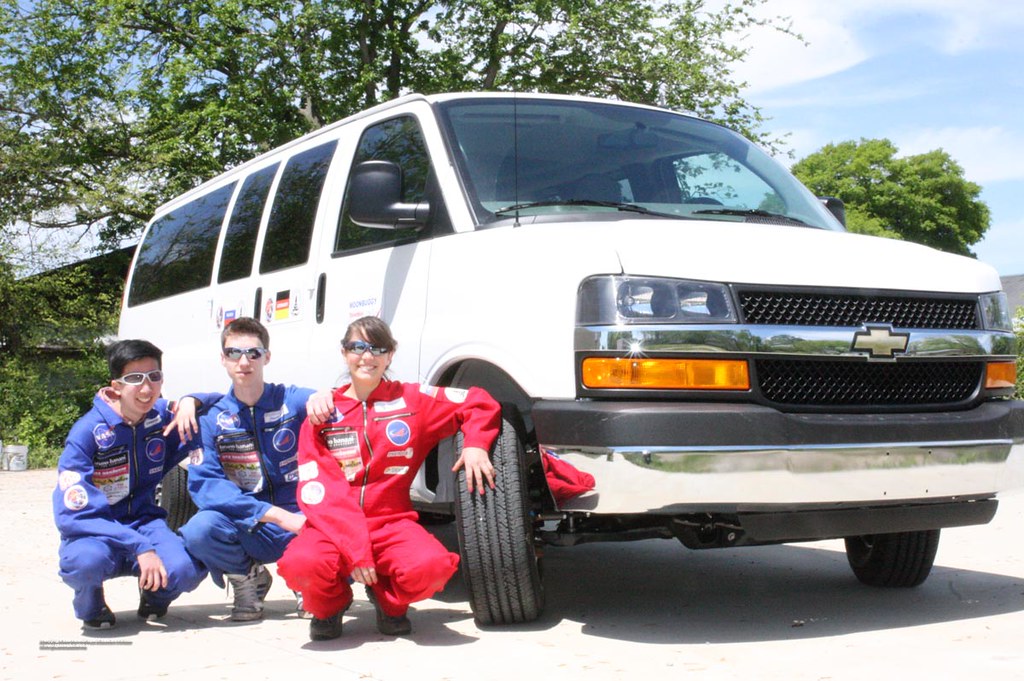
Als ich dann wieder im Hotel angekommen bin, fingen wir mit Frühstück an, das typisch amerikanisch eingerichtet war : Toast, Cornflakes, Waffeln etc. Nach dem Frühstück fuhren wir zum ersten Mal zur Moonbuggy Halle, in der wir unsere Moonbuggys lagern und aufbauen. Für uns war es überraschend wie geräumig sie war, da die Halle nicht so groß ist wie man von außen vermutet. Nichtsdestotrotz hat man innen eine Werkastatt, mehrere Hallen, eine Werkstatt, eine Küche und zwei Bäder. Außen gibt es dann noch eine Terrasse. Den Vormittag verbrachten wir damit aus unseren Koffern die verschiedenen Moonbuggy Teile auszuräumen und auszupacken. Zwar hat das eine Weile gdauert, aber am Ende wurden wir belohnt mit einem leckerem Essen, bei dem auch unsere Freunde und Unterstützer Terry bzw. Travis teilnahmen. Ein weiterer Höhepunkt für mich und Tobias war, dass wir unseren Teambus einmal auf der Straße selber fahren durften, was in Deutschland nicht erlaubt wäre. Mit 180 PS hinter der Haube hatte das Auto schon ziemlich viel Power. Und das gab uns auch ein bisschen das „Amerika-Feeling“.
Der zweite Stopp führte uns zu einem kleinen Teich in der Stadt mit vielen bunten Fischen. Da haben wir mit Keksen die Fische gefüttert. Unter einem Tunnel haben wir ganz große Fische gesehen. Sie waren fast so groß wie Tara. Das Wetter war total schön und wir wären auch gerne länger geblieben aber wir hatten noch viel vor. [Sofort-Reporte auf Facebook] [Sofort-Fotogalerien] [Schüler-Reporte] [Vorstands-Reporte] [Videos] [live-TV] [Programm]
Saturday, 20 April 2013 22:00 | Written by Ralf Heckel |
Two teams from Europe arrived tonight in Huntsville, Alabama, after a 24-hour-trip. The multinational teams from Germany and Russia, sponsored and founded by the ‘International Space Education Institute’ Leipzig and its partner, are the only ones in Europe which completed the complicated application process with all technical, sporting and economic requirements. They will now prepare themselves for a week on spot, mounting their vehicles and on 25th April 2013 compete against 119 international teams. It is the most skillful construction and skill, as well as to provide a variety of other basic ethical values of a high-performance team which will be tested. Until then, we invite all interested parties to follow the preparations.
Thursday, 18 April 2013 00:00 | Written by Ralf Heckel |
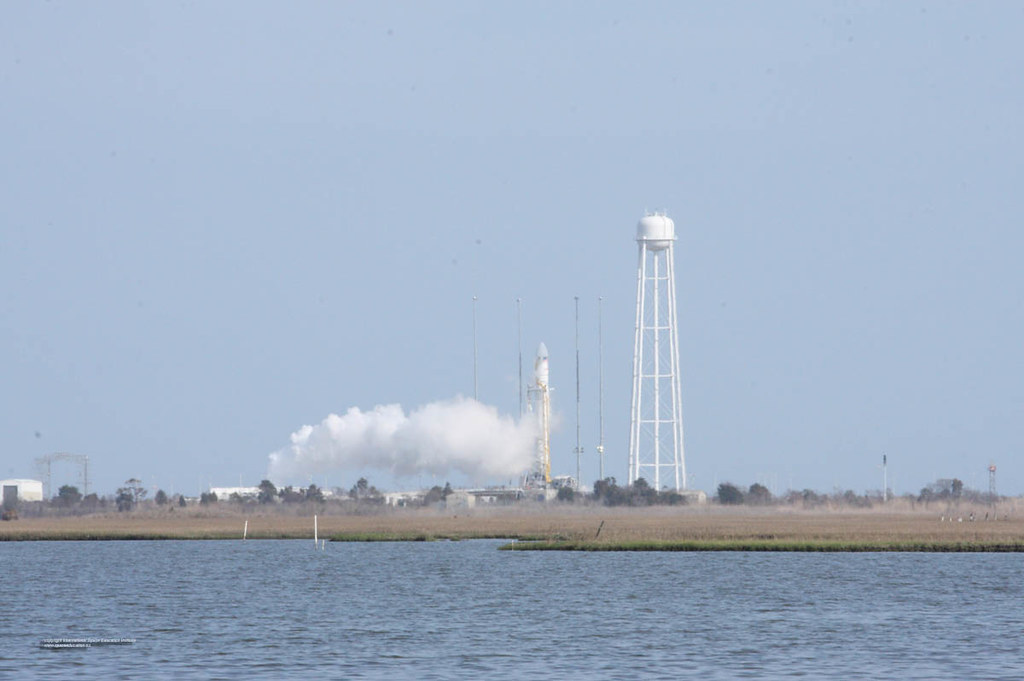
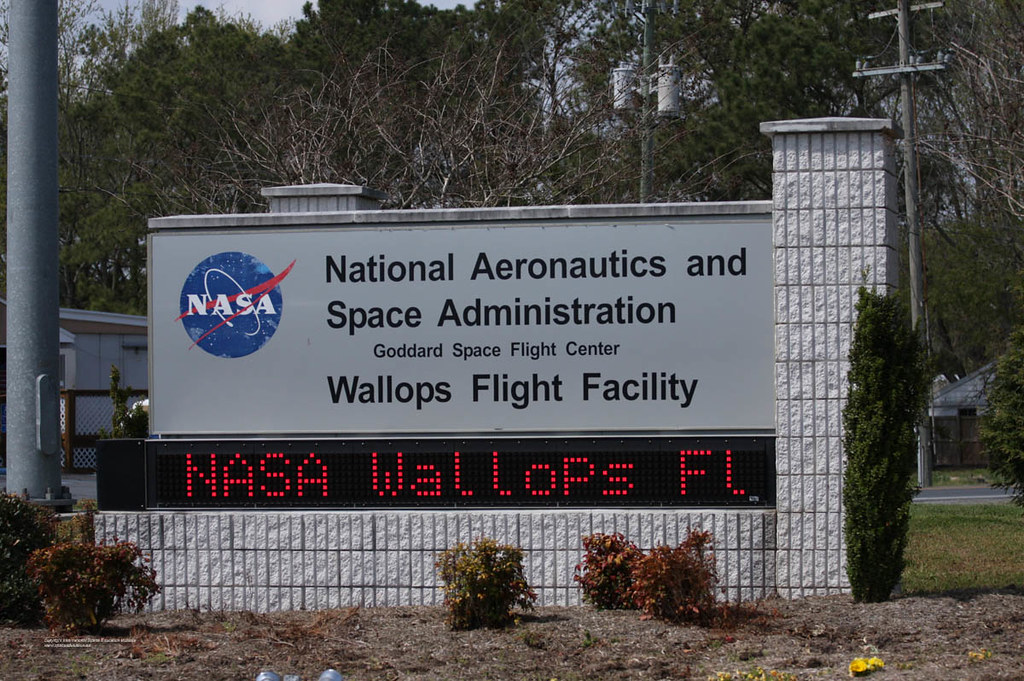
So we get up early, because this day is important. The plan is the start of the Antares rocket in Wallopps-Iceland, which is a 3.5 hours' drive from Washington. The kids are still tired and do not want to get out of bed. This is due to the jet lag. So Yvonne must remain with them at the hotel. I set off on my own to Potomac and either have to go right through the capitals center or completely avoid it. I decide to bypass it. First, it is going well. However, on the northern half of the ring road is closing – traffic jam at dawn. In the next 20 minutes I manage to advance less than 2 miles. Heavy hearted I turn around at the next exit, so as not to jeopardize the start date of the Antares. It is 8 o’clock and it promises to be a hot day. After 4 long hours in the car and a pint of French Vanilla Capuchino at the board-bar we reach Wallopps Iceland. This is a peaceful holiday island with a lagoon in the mud flat. Small wooden hostels with surf and diving schools slightly remind of the 20s Baltic flair. The difference, they are more colorful. Without the navy you would never suspect a Space Center here.
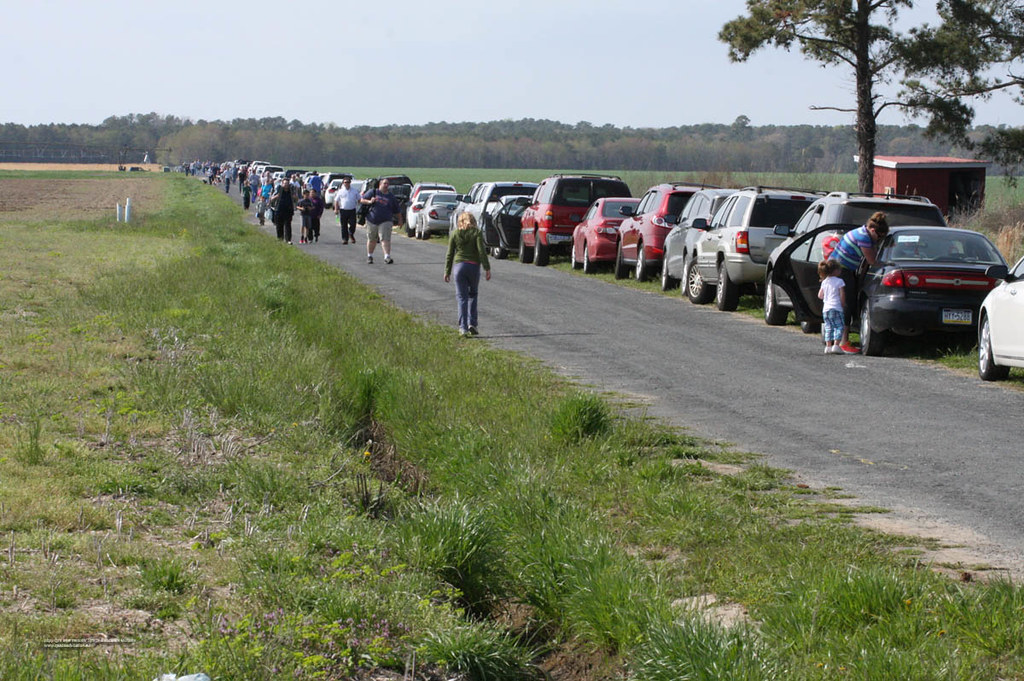
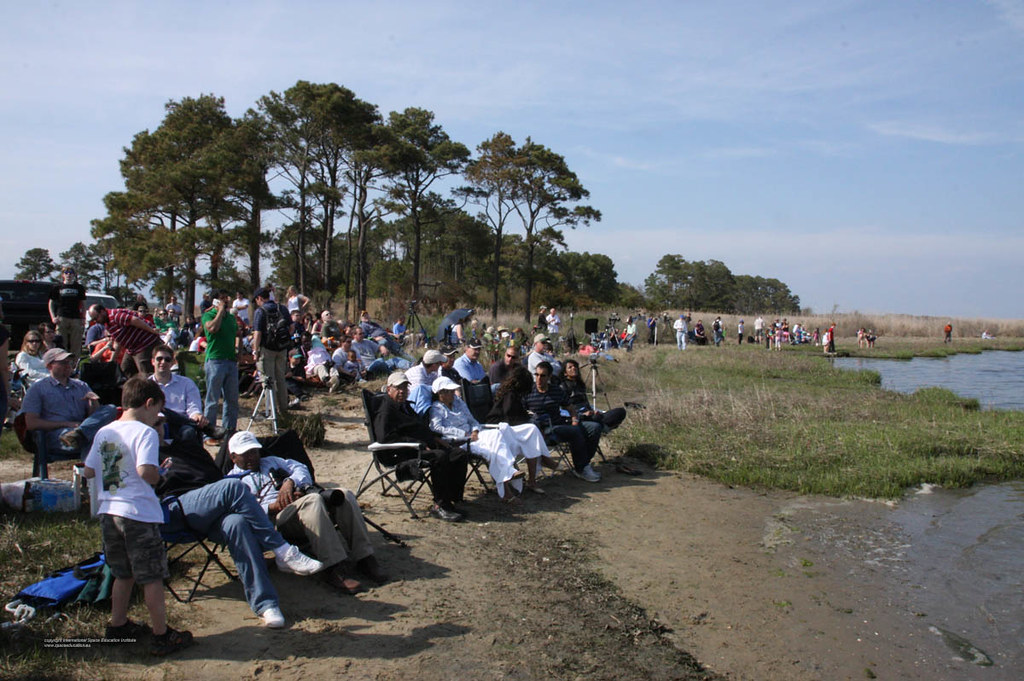
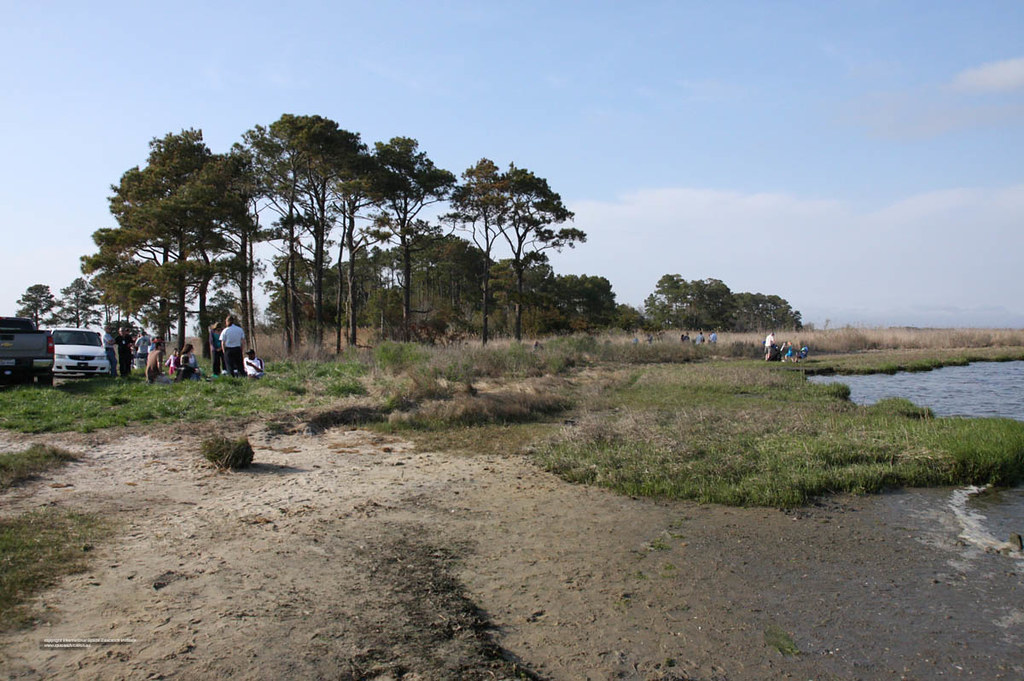
We are 4 hours early, but already an Indian family with chairs sits on the shore and a man in a white jeep. It is Darrell, the launch manager. We get talking and quickly realize that we share common friends at Cape Canaveral. This could now be an endless conversation. But the kids nag. I had promised them a beach. From what they have here they are disappointed. So we drive once more to the huge white sand beach at the Atlantic. But after 30 minutes it gets uncomfortable there. It comes down to a strong wind. The waves lash high and it is cool - even though the sun shines constantly. We decide to return to the quieter Oyster Lake. It is jam-packed all of the sudden. The line of cars reaches across the full lane. Everywhere are camping chairs, tripods and people with picnic baskets. These are the railway-fans of the USA. Here one simply watches rocket launches. Many come from far away. The other half consists of the engineers’ family members there at the launch site. There are women, children and grandparents. They all eagerly await the start and have their fingers crossed. I’m not worried about getting the most recent news. Every second has a mobile phone or walkie-talkie to contact anyone over there at the controls. We spread the picnic blanket, put on stands and have the kids play tag with other kids. I stick to Darrell, the launch manager. He is a veteran and spent 30 years working in the shuttle program. He is from Titusville at Cape Canaveral. All his life he successfully handled the tension of preparation stress, the pressure to succeed and the fear of the failure of a small part of the complex machine handles, and adding to that lived through hard times during the shuttle disasters. Today he is calm and relaxed; no nervous agitation can be felt. His tanned face has a wide smile. He is the complete opposite of all the other visitors to this little, now hectic, shore. I'm interviewing him. The sheriff loses the most sweat. He has never experienced anything like this. His safe resort island was once sleepy and almost forgotten. He knows everyone by name and their history. Now half the world focuses on this field within 2 hours and looks forward to the white rocket on the other side of the lake. No one takes him seriously. I also get to talk with him. Distribute parking tickets? Pointless. He will be glad when this is all over. Then he drives his with broad hat and rested elbow up and down the lane to keep at least a kind of escape route free. Rapid parking on both sides. The tension rises. White clouds rise along the rocket. It gets refueled. The super-cold oxygen evaporates at the connection points that lead to the rocket. It's T-22nd. Cameras are set up. Last portraits are made with the rocket in the background. The tension continues to rise. It is now focused silence on the field.
What happened? Like in the 50's, the rocket is connected with an "umbilical cord" to the outside world. This is a data cable that establishes a connection to the control computer. This cable is cut-off 3 seconds before launch and thus passing control to the personal computer of the missile. Due to the strong wind with which we were suddenly hit, one of these cables solved early. The danger of an error existed and therefore the countdown was aborted. There are security programs that shut down all systems in such cases in a prescribed sequence to "No Go". Darrell is still calmness in person. I speak with him again and we, after having experienced several shuttle launches before, agree that this problem is a mosquito bite in comparison with the shivering before a Space Shuttle launch. It will be solved. We part after exchanging goodbyes. The rest of the evening we spend in the nearby seafood restaurant. Like to be expected after a start at Cape Canaveral on the pier everyone is fussing around. We now contribute to the manifestation of Apollo traditions here. This was put to us by Jesco von Puttkamer. The next launch attempt will be on the 20th April at 5 p.m., so two days later. ------------------------------------------------------------------------------ Supplement of 21 April 2013, 17:15: Start was successful today after the 3rd attempt, payload cast-off in orbit n calculated trajectory. Both stages worked successfully. The launch was a great success. This was a great performance! The German media, in particular the mirror-online, may be ashamed of their misplaced cynicism towards the COTS program. We repeat this in the wake of numerous different observed space shuttle launches of the 2010s. We recommend a direct line for a clean journalistic work to keep record on spot, rather than passing on third-party information incorrect and vilified. This way one not only cuts their own branch but goes against the future of their own country. |